Yoga

IMPROVE YOUR GUT HEALTH: 5 WAYS TO BOOST YOUR GUT MICROBIOME

Your gut health is more important than you think! In fact, maintaining a healthy gut is vital for mental and physical health, your immunity and much, much more. 

But just how do you go about improving the healthy bacteria in your gut? Before we get ahead of ourselves, let’s first explain what your gut health refers to. 

What is a healthy gut?

Good question. 

Basically, your gut health refers to the balance of microorganisms living in your digestive tract. Your gut flora or gut microbiome refers to the bacteria and fungi that inhabit your gastrointestinal tract. These microorganisms have a big influence on your metabolism, weight, your body’s ability to defend itself against invading bacteria and viruses, your appetite and your mood. 

It’s crazy to think that the little organisms in our guts play a role in our mood and our weight, but it’s true! When we start to look at it this way, it makes sense as to why it’s important for us to ensure our guts are healthy. 

And here are 5 ways to do so…

1. Eat more fermented foods and take a daily probiotic

An article in Harvard Health examines the benefits of probiotics for our health. Probiotics have a range of benefits and gut health is the biggest of the lot! 

Probiotics are known as good bacteria, they are found in fermented foods such as yoghurt or you can also take them in the form of supplements. 

Probiotic supplements are a great way to ensure you are getting enough healthy bacteria in your diet. A number of people have found probiotics to be beneficial for effect on the gut in alleviating issues such as diarrhoea, IBS, bladder infections and even eczema in kids. 

It’s a good idea to chat with your pharmacist or doctor regarding what probiotic you should take. 

Fermented foods include: 

  • Kefir
  • Kimchi
  • Tempeh
  • Kombucha
  • Sauerkraut
  • Miso

While you’re here, have a look at our article on supplements you need to add to your daily vitamin list (hint – we chat about probiotics here!). 

2. Eat more fibre

You need to include a wide range of fruits, veggies and whole grains in your diet. It turns out, your mom was right when she told you to eat your greens! 

Fruits and vegetables are naturally high in fibre. What’s interesting is that your body cannot digest fibre, but it can be digested by certain bacteria found in your gut and fibre stimulates the growth of these healthy bacteria. 

Some fibre-rich foods include: 

  • Artichokes
  • Lentils 
  • Chickpeas
  • Kidney beans 
  • Whole grains (whole grain oats, pasta and bread)
  • Brocolli
  • Green peas 
  • Raspberries

A great idea is to start your day with a blended shake! 

Put half a cup of dry oats, some frozen raspberries and protein shake powder into the blender with a cup of your milk of choice (yoghurt would also be great for probiotics). Blend and enjoy! 

3. Stay away from artificial sweeteners

Artificial sweeteners have an adverse effect on your gut health and can cause an imbalance of gut microbes. 

A study done on rats found that aspartame (an artificial sweetener found in a number of fizzy drinks) was able to reduce their weight gain but increased their blood sugar levels and impaired their body’s response to insulin. Yikes! So the next time you’re craving a Coke Zero, rather have a glass of water with lemon and mint. 

Or better yet, make your own ice tea! Here are some great recipes to try! 

4. Reduce your stress levels

Yoga


Now, I get that this is always easier said than done, but managing your stress is important for a variety of vital aspects of your health, one of these is your gut health. 

Managing your stress can be done through a number of ways. Here are some easy ones to implement in your daily life: 

  • Get more sleep – You need to get 6 to 8 hours of uninterrupted sleep a night. 
  • Workout – Regular exercise will not only boost your mood, confidence and your mental wellbeing, but you will also get better sleep and feel great! We chat about this in the next point. 
  • Meditate – Download Calm or Headspace and prepare to have your entire mindset changed. 
  • Breathing techniques – The next time you feel anxious or stressed, breathe in deep for 4 seconds and out for 4 seconds. Repeat this as many times as you need to. 
  • Eat right – Check out these 3 recipes to boost your mental health

5. Exercise

Regular exercise contributes to weight loss, weight maintenance, good heart health and great gut health. 

Studies have found that regular exercise helps create a wide variety of good bacteria in your gut. Aim for 150 minutes of moderate exercise a week with at least 2 strength training activities on 2 or more days a week. 

Here are some great workouts to get you started! 

Need some expert help? Have a look at why it pays to have a wellness coach in this blog

What it comes down to

Your gut bacteria play an important role in many aspects of your health. The best way to maintain a healthy gut is to eat right, get enough sleep, reduce your stress and take part in regular exercise. 

The trick is to create a healthy lifestyle as opposed to the ‘get-fit-fast’ or ‘lose-weight-now’ approach. And it all starts with a healthy and determined mindset.

Offer yoga and meditation classes

HOW TO INSPIRE A CULTURE OF FITNESS IN THE WORKPLACE: 4 SIMPLE STEPS

A number of companies are starting to see the benefits of wellness in the workplace. From improving employee’s happiness which is directly linked to their levels of productivity, a healthy workplace allows for not only healthy and happy employees but a boost in sales and your company’s bottom line. 

To fully understand the benefits of workplace wellness we wrote a blog on the topic which you can have a look at right here: 8 reasons why your company needs a wellness program

Personal wellness is a top priority

As working professionals, our personal wellness is of top priority and when a company enables its employees to work in an environment that supports their personal health and wellness, it creates loyalty, decreases sick days and creates a workplace that boosts morale and decreases stress levels. 

One of the first steps to improving personal wellness in the workplace is to inspire a culture of fitness. But it takes more than just some healthy snacks in the breakroom and encouraging employees to take the stairs. 

More than a few simple acts of wellness

To truly make a difference in the lives of your employees and sustain these positive results, you need to create healthy habits of wellness in the workplace, it’s these habits that help develop a culture of health and fitness. 

It’s important to understand that whilst a culture of fitness is important to implement and sustain, as a company, you need to look at the bigger picture of corporate wellness. Which is why it helps to get some professionals in to help. Wellness coaches offer expert advice and implement effective practises to improve the wellness culture in your office. 

In any case, one of the first steps to creating a culture of wellness is to inspire a culture of fitness.

Why fitness matters

Exercise is known to make you feel good. From the runner’s ‘high’ to the great feeling you get after working out, even when you go for a brisk walk around the block, exercise does more than just improve your physical health, but it also taps into our mental wellbeing on a number of positive levels. As with healthy eating and positive thinking, exercise helps us to feel great about ourselves which has a direct impact on our work lives. 

So, how great would it be if your place of work inspired this kind of healthy living? It would be amazing. 

1. Get moving – step up to fitness

It’s all about the little efforts that make the big difference. Rewarding employee’s ‘stepping’ milestones is a great way to encourage movement. 

For example, set daily goals of 10 000 steps a day. Those who reach this goal for 10 days in a row are celebrated and rewarded with discounted gym memberships or healthy snack baskets. 

Walking meetings offer a fun alternative to the boring boardroom. 

Provide safe bike parking for those who cycle to work. 

Did you know that staff who spent 30 to 60 minutes working out during their lunch break reported an average performance boost of 15%? Encouraging staff to work out during lunch and better yet, providing them with the space to do so is a great way to improve productivity.

2. Bring fitness into team building

Fun soccer games, 5k fun walks/runs or even jumping on trampolines at Bounce are all fun and engaging ways to interact as a team. 


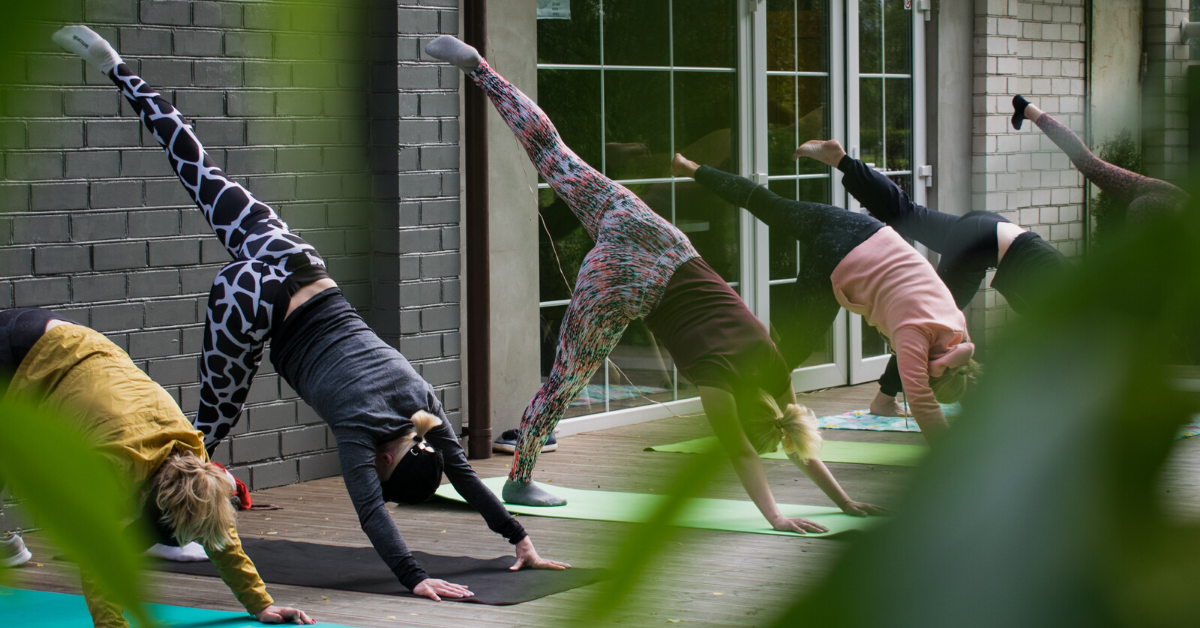
3. Offer yoga and meditation classes 

During lunch and after work, bring in a yoga instructor or offer a meditation class for those who want to get involved. You can also offer this before work starts in the morning to ensure employees start their day feeling relaxed and ready to take on the challenges of the day. 


4. Clear communication and celebration is key

Offer yoga and meditation classes

It’s all fine and well having these various fitness and health opportunities available to employees, but you need to ensure that they know about them too! 

And what’s more, your staff need to know that you care about them. A fitness culture in the workplace will not happen without reinforcement. 

This means you need to create a clear communication plan and timeline that lets employees know exactly what activities will be taking place and when as well as what rewards and incentives are linked to these activities. 

It’s important that you reward and celebrate those who take part in fitness challenges. As mentioned earlier, some rewards include: 

  • Discount gym memberships 
  • Healthy snack baskets 
  • Healthy reward vouchers for shops like Total Sports or Sportsmans Warehouse 
  • Free yoga vouchers 

The list goes on. 

Open up an honest conversation around fitness in your business. Talk about topics like work and personal life balance and nutrition. Create an environment where employees are encouraged to talk openly about their health and mental wellbeing and have the right tools to improve their health. 

It starts at the top

Don’t forget that effective fitness in the workplace starts with the boss. As a leader, your staff will follow you so ensure you set a good example and take part in the various fitness activities in the office. 

Eye health

EYE & EAR HEALTH: FOODS TO PROMOTE HEALTHY VISION AND HEARING

We all know that our eyes and ears play a vital role in helping us to function in everyday life. I for one know that my vision and hearing are two things I often take for granted. 

Ensuring our eyes and ears stay in tip-top shape directly relates to us living our best lives. And as it turns out, there are certain foods that can help us to do that. 

Foods for eye health

Do your eyes have all the minerals and vitamins they need to prevent glaucoma, macular degeneration, and cataracts? Food has a HUGE impact on not only our mental wellbeing (pssst, here’s a great blog on handling anxiety in the workplace), but it also plays a role in our body’s health and wellbeing. 

Kale

This popular leafy green is a great source of zeaxanthin and lutein, both of which are closely related to beta carotene and vitamin A which are known to protect health issues with your eyes as a result of sun damage and reduce your risk of macular degeneration (eye disease that results in vision loss) and cataracts. 

Other great sources of these nutrients include collard greens, spinach, broccoli, kiwi, red grapes, oranges, corn, mangoes, honey melon, and yellow squash! 

Keep in mind that your body needs fat in order to properly absorb zeaxanthin and lutein, which is why it helps to eat these with some healthy fats such as avo or olive oil. 

Sweet potatoes

Sweet potatoes are a great source of beta-carotene, this is a powerful antioxidant that gives orange vegetables and fruits their vibrant colour. 

The body converts this nutrient into vitamin A which helps prevent night blindness and dry eyes. Vitamin A and beta carotene also reduce your risk of eye infections. Carrots and butternut squash also contain this nutrient! 

As mentioned above, vitamin A and carotene are best absorbed when eaten with a healthy fat.

Strawberries

These contain plenty of vitamin C, this is an antioxidant which can help reduce your risk of cataracts.

Salmon

Suffer from dry eyes? The omega-3 fatty acids in salmon and other fish can help treat this! 

I suggest you aim to eat fish two to three times a week or include omega-3 supplements in your diet.

Green tea

The antioxidants found in green tea help lower your risk of macular degeneration and cataracts. Green tea also contains catechins which have anti-inflammatory effects.   

What’s an antioxidant? 

Antioxidants are important substances that can protect the cells in your body against the effects of free radicals. These molecules are produced when your body breaks down food or is exposed to tobacco smoke and radiation

Foods for ear health

Thinking about foods for your ear health is not really a common thought. But there are in fact a number of yummy and delicious foods that contain a variety of properties that can help to maintain healthy ears and lower your chances of hearing loss. 

Bananas 

Bananas contain magnesium (which also assists with cramping from sports and gym), but this nutrient is known to help expand blood vessels and improve circulation, all the way into your inner ear! 

Magnesium is also responsible for controlling the release of glutamate. Glutamate contributes to hearing loss related to noise. When glutamate is controlled, this lowers your risk of hearing loss. 

You know what they say – a banana a day keeps hearing loss at bay! (Well, I mean they should say that!)

Salmon

This wonder food makes a second appearance in this blog! 

The omega-3 fatty acids found in salmon are well known for their ability to reduce your risk of age-related hearing loss. 

The trick is to start eating two to three servings of salmon a week and including omega-3 supplements into your daily routine BEFORE you reach old age.  

Broccoli 

Broccoli is full of folic acid which has incredible effects when it comes to slowing down hearing loss. 

Broccoli also contains vitamin C, vitamin K, and fibre which are all nutrients that help reduce damage to the sensitive and delicate tissue in your ears. 

Dark chocolate

Your tummy may have already started grumbling a little after reading about all these healthy and delicious foods, and this grumbling is just about to start getting worse because here comes something bound to get your mouth watering…

Drum roll, please…

DARK CHOCOLATE!

This delicious treat is high in zinc. A deficiency in zinc is linked to age-related hearing loss. This means that eating a square (note I didn’t say the whole block), is a great way to keep your hearing in good shape as you get older. 

Want some more advice on healthy living?

Get in touch with our team of health and wellness experts

Physical benefits of a wellness coach

4 REASONS WHY YOU NEED A WELLNESS COACH (FROM PHYSICAL TO EMOTIONAL BENEFITS)

“Health is a state of the body. Wellness is a state of being.” 

What if I told you there was a way to not only better your physical health, but your mental health too? 

Cue health and wellness coaches

Health and wellness coaching is fast becoming one of the most beneficial and constructive financial commitments you can make. But the thing is, a number of people don’t quite understand the concept or see the benefits of it until they try it out for themselves. 

More than an exercise trainer

A wellness coach is more than just a personal trainer. We look at your entire wellbeing and focus on giving support and guidance to help develop both your psychological and physical health. 

Basically, a health and wellness coach is someone who not only helps you reach optimal physical health but helps you improve your mental state of being too. This person becomes your guide to holistic wellbeing (a good health guru, if you will). Combining healthy lifestyle choices, a good diet, exercise, stress optimisation and sleep are ways your coach will help you to become the best version of yourself. 

Some of the focus areas of wellness coaching include: 

  • Nutrition 
  • Health 
  • Weight
  • Stress

For business and individuals

Wellness coaching can also move beyond the focus of one individual. We also work with companies to help improve their brand’s work culture and improve the health and stress levels of employees. 

Have a look at this article on how to bring wellness into the workplace (it’s a great read!)

Let’s take a look at some of the psychological and physical benefits of a wellness coach…

Psychological benefits of a wellness coach

There is a close link between mental and physical wellbeing, in fact, the two of them work hand in hand. 

Here are some of the focus areas of psychological improvement through wellness coaching:

1. Guidance and support

Trust us when we say we have “been there and done that”. Our personal experience and background expertise are what allows us to help you work through struggles in your life. 

Our outside perspective can offer a grounded and objective reality to help bring about concrete goals and a tranquil mindset. 

Issues such as stress, anxiety and depression are tackled head-on to help you take logical steps in overcoming these mental blocks. 

Check out this article on how to handle anxiety in the workplace. It is this kind of support and guidance that we seek to consistently give you. 

2. Real advice for real people

We don’t believe in fads. We don’t do ‘get-fit-fast’ plans or ‘lose-weight-today’ diets. We create our plans based on your individual needs and goals. 

Everyone is different. Everyone has different goals and capabilities. We work with you to create health and wellness plans that not only provide you with advice and steps to reach your mental and physical goals, but we are with you every step of the way to ensure you get to your end goal. 

3. Mental wellbeing and positivity

Health starts in the mind. We help change your mindset and work with you to get healthy through positive reinforcement. 

This isn’t some kind of “you can do it” on repeat, we help you to shift your view of yourself into one that is positive, allowing you to believe in your capabilities and be comfortable in your own strength and body. 


Physical benefits of a wellness coach


Physical benefits of a wellness coach

1. Tailored fitness and eating plan

We create our eating and exercise plans to include real, nutritious and healthy meals, as well as exciting and interactive workouts. 

We encourage you to eat healthy food that makes you happy and give you all the information you need about healthy eating and ingredients. 

We also ensure you are fully equipped with all the knowledge needed to never feel like you are ‘doing something wrong’ in the gym. 

2. Someone to motivate you

You’re less likely to cancel a gym session when you know one of our coaches will check in with you, if not train with you at the gym. 

This accountability helps encourage you to stick to your plan and give you both an in-person and digital (we’re always just one message away) training buddy. 

3. Challenge yourself

When working with you, we get to know your limits and capabilities. We help you to push outside of your comfort zone (but never force you to the point of injury), helping you to create new limits and reach new heights in your physical abilities (you’re stronger than even you may know!). 

Your wellbeing starts with you

Want to take the next step and find out more about our wellness coaching? Get in touch with our team and we can work on finding the balance and health in your life. 

3 ESSENTIAL SUPPLEMENTS YOU NEED TO TAKE DAILY

3 ESSENTIAL SUPPLEMENTS YOU NEED TO TAKE DAILY (PLUS 2 EXTRA OPTIONS FOR A HEALTH BOOST!)

It turns out, it takes a little more than just an apple a day to keep the doctor away. It also takes Vitamin D3, Probiotics and Omega 3.

When it comes to the right vitamins and supplements to take, there is a lot of confusion and noise. Which is why we decided to set the record straight and clear the air in the supplement-sphere. We did the research, chatted to the wellness experts and have put together the top 3 supplements you need, plus an extra two if you’re feeling extra healthy. 

3 supplements you need to take

Vitamin D3 

We like to call this the sunshine vitamin, although this is technically known as a pre-hormone and not a vitamin. Vitamin D is synthesised in our bodies with the help of sunlight. Which means that if you are someone who spends a lot of times indoors (the majority of people in a 9 to 5 desk job do not spend enough time in the sun), then you risk deficiency. 

Did you know that vitamin D is responsible for creating hundreds of enzymes that help prevent disease in our bodies? The vitamin affects more than 2000 genes in the body. 

You might already know that you need vitamin D for healthy bones (read: 5 Natural (& Effective) Ways To Build Stronger Bones), but experts have also recently found that this vitamin can help build strong muscles, helps combat inflammation and strengthens the immune system. With some doctors commenting on the anti-cancer effects of this supplement. 

How much vitamin D do I need a day?

The recommended intake is 400–800 IU/day, or 10–20 micrograms.

Omega-3 fatty acids (fish oils)

Fish oil supplements (such as salmon oil) are rich in omega-3 fatty acids, these substances help a number of functions in your body, from cell growth to muscle activity. 

Omega-3 fatty acids are found in food and our bodies cannot produce them. Fish oil contains two different types of omega-3 fatty acids known as: 

  • Docosahexaenoic acid (DHA) 
  • Eicosapentaenoic acid (EPA)

Fish oils help to reduce inflammation and prevent chronic disease. They can also boost the immune system, improve your vision, joint and cardiovascular health, strengthen your nails, skin and hair, improve metabolic function, boost your mood, cognitive functioning and even enhance nutrient absorption. (Wow – these really are super supplements!)

How much Omega-3 fatty acids do I need a day?

There is no exact guideline as to how many milligrams of  mega-3 fatty acids recommend a minimum of 250–500 mg combined EPA and DHA each day if you are a healthy adult. 

Probiotics

Your gut contains a wide range of beneficial bacteria, also known as good bacteria. This bacteria is vital for your mental and physical wellbeing. 

However, factors such as stress, poor diet and not exercising can disrupt this bacteria. You can consume both dietary probiotics through foods such as kombucha, yoghurt and kefir and through supplements. 

Probiotics are known to significantly improve issues with digestion such as stomach cramps, bloating, and even lactose intolerance. 

Athletes and those who perform regular exercise have noted the benefits of probiotics for their immune system and gut health. The benefits of probiotics include assistance in regular bowel movements, boosted immune system, enhanced intestinal health and even promoting healthy cholesterol levels. 

How many doses of probiotics should I take a day?

There are a number of different probiotic organisms, because of this, there is no defined dosage. It’s a good idea to chat with your pharmacist or doctor regarding the right amounts you should take and what supplement will work best for you. 

2 Bonus Supplements

3 ESSENTIAL SUPPLEMENTS YOU NEED TO TAKE DAILY

Glutamine

Glutamine is an amino acid produced mainly in your muscles. The main purpose of amino acids is to act as building blocks for proteins in the body. 

Proteins are vital to the health and function of your organs. They also help in transporting substances in your blood and helping the body to fight off harmful pathogens such as bacteria and viruses. 

Glutamine supplements help to improve your body’s immune function and preserve the protein stores in your body. Glutamine acts as a source of energy for your immune and intestinal cells. It aids in gut function, minimises muscle breakdown (great for those of us who love to workout) and helps to improve how your body metabolises protein. 

This is an especially great supplement to take during times of stress or vigorous exercise. 

What is the correct dosage of glutamine a day?

L-glutamine supplements taken within 3 to 6 grams are generally considered safe. Experts suggest 5 grams is a good amount to take a day. 

Protein powder

Protein powder is an incredibly popular supplement among fitness enthusiasts, athletes, bodybuilders and those following vegan and vegetarian diets.

Psst – here’s a great blog on how to build muscle on a vegan diet.  

Your body relies on protein to help repair tissue, build muscle and create important hormones and enzymes. 

There is a wide range of protein powders. Some of these include: 

  • Whey protein (made from milk) 
  • Pea protein 
  • Brown rice protein 
  • Hemp protein 
  • Casein protein (also made from milk but absorbed at a much slower rate)
  • Mixed plant proteins 

How much protein should I have a day?

This will depend heavily on your weight, gender and exercise routine. 

On average, women should have 46 grams of protein each day and men should aim for 56 grams.

Remember that protein shakes should be used in combination with a healthy diet and should not be used to replace nutrients and meals. 

The bottom line

By adding supplements to a healthy diet and exercise routine, you are ensuring your body gets the minerals and nutrients it needs to perform at it’s best abilities. 

Keep in mind that supplements, although beneficial, are not essential and act as as additional ‘supplement’ to a healthy lifestyle. 

Want to find out more about supplements? Get in touch with us and we can walk you through everything you need to know. 

6 Incredible Health Benefits Of Laughter

6 INCREDIBLE HEALTH BENEFITS OF LAUGHTER (BACKED BY SCIENCE)

When it comes to our health, laughter truly is the best medicine. 

One of the greatest feelings in the world is laughing so hard your tummy hurts and tears start to form in your eyes. Having a laugh with friends and loved ones is all the therapy you need after a stressful day. And as it turns out, according to science, laughter is so much more than just a mood booster. 

Laughter can bring people together and form amazing connections. From a little giggle to a ‘can’t breathe, deep-rooted down to your belly’ kind of laugh, it all helps to contribute to a happier and healthier life.

So, if you’re ready for a good giggle, let’s get to laughing, I mean learning…

1. Laughter can reduce blood pressure

High blood pressure, also known as hypertension, is a negative side effect of an unhealthy lifestyle and stress. It is also a big risk factor for stroke and heart disease (yikes). 

But, when we laugh, we feel a weight lifted off of our shoulders. It’s pretty difficult to stress when you are laughing, am I right? 

Researchers wanted to know whether laughter could, in fact, bring down your blood pressure through investigating the effects of humour therapy. After extensive studies, they discovered that laughter significantly decreases high blood pressure. 

Because of these studies, this led to the creation of Laughter Yoga. This form of yoga initiates laughter through bodily exercise and eye contact to create a contagious kind of laughter. 

So the next time you are feeling stressed, overwhelmed and a little rundown, then pop on something funny, phone a friend, or join in on some laughter yoga and have a good giggle! 

2. Laughter can boost your immune system and improve your health

When the flu cold seasons hit, perhaps all you need is a shot of laughter…

A number of studies have found laughter to stimulate the production of T-cells in your body. These specialised immune cells help to fight off invading pathogens. 

Laughter allows for antibodies cells like the T-cells to develop at much faster rates, as these hormonal shifts from laughter change your body’s chemistry for the better. 

3. Laughter can help ease the effects of anxiety

Anxiety is something so many of us deal with on a daily basis. 

Many of us quietly suffer from overwhelming thoughts of self-doubt and stress. 

However, because laughter is able to reduce stress levels, this simultaneously reduces your anxiety. 

Studies conducted on Laughter Therapy found that it can improve anxiety in patients suffering from depression, improve optimism and boost your self-esteem. 

Overall, laughter was found to provide people suffering from anxiety and depression with a form of a positive coping mechanism to help you get through the difficult periods in your life. 

4. Laughter is a natural form of exercise 

The next time you want a great ab workout – have a laugh! 

Laughter is a natural way to exercise a number of muscle groups in your body

When you laugh, you use muscles to create the movement, laughter engages your diaphragm and your abdominal muscle groups. And depending on how hard you laugh, your arms, shoulders, back and legs might also get a bit of a workout too!

5. Laughter makes you feel great (and eases pain)! 

This is probably one of the most obvious benefits of laughter, but as it turns out, there is science to back this! 

Studies have shown that smiling or laughing can improve your mood and overall well-being through the release of endorphins. These are hormones are linked to an increased pain threshold, meaning laughter is a natural painkiller. 

Did you know that endorphins attach themselves to the same receptors in your brain’s as opiates, meaning that the release of endorphins is like a natural high, without the adverse side effects? This eases your mood, tension and any pain in your body. 

6. Laughter promotes creativity and healthier brain function

Laughter has a number of positive effects on the various chemical processes taking place in your body. 

With the combination of a reduction in stress hormones, an increase in endorphins and an increase in oxygenation to the blood and brain, this causes an increase in creativity. 

Because laughter improves your overall brain health, it means your creative mind can work more effectively as your brain is now a place where ideas can foster and grow! 

Something to giggle over…

In the spirit of laughter, our team at WellBe have put together some giggle-worthy healthy happy meals. These meals are designed to lift your spirits and naturally release your serotonin levels in your brain (the happy hormone). 

Click here to have a look and have a laugh over a deliciously healthy meal!

WellBe Diet Strategy

THE FOOL-PROOF DIET TO GET THE BODY OF YOUR DREAMS

I’m sure you were hoping I’d start explaining this magical diet, probably containing kale or some gag-worthy detox tonic, which will guarantee a slimmer and trimmer you in just 2 weeks! Am I right?

Unfortunately, as much as we’d all like to believe there is a unicorn-diet out there that could deliver on these promises, the hard reality is that there just isn’t. When it comes to dieting or exercise, anything that sounds extreme or too good to be true, most probably is and most probably should be avoided at all costs. These extreme approaches are termed “fad diets” and they’re downright dangerous for you. They perpetuate destructive restriction and binge cycles that by the end of it, leave you fatter, frustrated and more disillusioned than when you started.

When it comes to nutrition and training there is no “one-size-fits-all”, no perfect program. What works for one person may not necessarily work for you, and that doesn’t mean one way is better or worse than the other. So next time you’re looking to weed out the fads diets from the truly healthy changes, ask yourself the following 5 questions:


1. Does it fit my lifestyle?

If you’re a professional athlete, a busy student or a desk-bound businessman/woman, your diet must adapt to and complement your lifestyle, not the other way around.


2. Is it something I can adhere to on a consistent basis?

If you can’t stomach rich, high-fat foods, stop trying to force yourself to be a “banter”. If you can’t stand the taste of kale, stop trying to survive on green juices. The nutrition choices you make need to align with your own personal food preferences and become habits that unconsciously form part of your everyday eating.


3. Will it help you achieve your desired results without forcing you to go to extreme measures?

Where most people go wrong is they try doing too much too soon. They drop calories, cut out certain food groups, go cold-turkey on all the foods they crave and although initially see results, inevitable the unsustainability of the diet catches up with them and they rebound. Small, manageable baby-steps in the right direction is all it takes.


4. Does it allow you to incorporate the foods you enjoy eating? (In moderation of course!)

I refuse to live in a world where I’m told I can’t ever eat bread or chocolate again. You don’t have to ban or demonize the foods you love- rather learn smart ways to fit them into your life and enjoy them mindfully.


5. Can you see yourself maintaining this for weeks, months and years down the line?

If you’re thinking of this as a sprint- you’ve lost already. You need to think of this as a permanent lifestyle change. So if your current diet is giving you commitment phobia, that’s a sure sign to get out now.

There are pros and cons to every type of nutrition program. The sooner you stop giving into the ridiculous “quick-fix” fads out there and find out what type of nutrition program you can enjoy adhering to the most, the sooner you’ll set yourself up not only to successfully lose weight, but keep it off too.


WellBe Company

HAVE YOUR COCKTAIL AND DRINK IT TOO? YOUR ULTIMATE GIRL’S NIGHT OUT GUIDE

Who doesn’t love a good “Girl’s Night Out”? Drinks… friends… memories you do (or maybe don’t) remember. But all too often we find ourselves using one too many tequila shots as an excuse to make poor food (and life) decisions. Fun-filled nights turn into mornings of regret and guilt when we see the evidence of the late night fast food binge littered on our bedroom floor. But this doesn’t need to be the case. With just a few small smart tweaks, you can feel great all night long and help stave off the post party boozy-blues the next day.

Let’s set the scene.

You’ve organized a long overdue girl’s night out with 5 friends this Friday. You’re notorious for going all out when you’re together and you’re no stranger to 24 hour hangover recovery turnaround times either…

It’s 5am on Friday morning and instead of hitting the “snooze” button one or 6 times, you get dressed and head off to the gym.

Getting an early morning workout in first thing will not only raise your feel-good endorphin levels, but also help boost your metabolism and pre-burn off some of those liquid calories you intend on consuming later. During your workout, make sure to maintain a high-intensity tempo to keep your heartrate high and target large muscle groups like your legs and back to maximize the potential calorie burn. Think supersets, circuit training and lots and lots of sweat.

If ever there’s a day to hit your water goals, it’s today.

Those frequent bathroom trips and hours spent standing in the line for the ladies’ loo aren’t a coincidence. Alcohol is a diuretic and often leaves a person in a mild state of dehydration following a night out drinking. Make sure to consume 500ml-1L more liquid than you would normally, either in the form of plain water, calorie free flavoured drink options or herbal teas.

*Health hack- Herbal teas, such as green tea, have been shown to promote liver health and wellbeing and is a great and tasty way to potentially help buffer the negative effects of alcohol consumption on the body.

Your typical Friday croissant or muffin fix for breakfast just won’t cut it.

If you know you’re going to be going out in the evening, a safe general nutrition strategy is to make food and meal choices that are high in micronutrients but lower in calories. This allows you to “bank” a few extra calories for the evening when you need them most. Processed and highly refined foods, such as pastries, are calorie-dense food options that spike your insulin levels and inevitably leave you feeling low and sluggish. Opt for a well-balanced and nutritious start to your morning with an oat, frozen berry and whey protein smoothie, poached eggs and avocado on rye toast or a small bowl of gut-friendly Greek yogurt, fruit and a sprinkling of raw muesli and seeds.

Crunchy water is your snack food BFF.

Regular alcohol consumption can hamper your body’s immune system and wreak havoc with your hormones. Raw fruit and vegetables are nutritional powerhouses packed full of vitamins, minerals and antioxidants which act to counteract some of these negative effects. If that wasn’t enough, they’re also naturally high in water and fibre, meaning they can help you stay hydrated and feeling fuller for longer. Pair sliced apple or vegetable crudités with unsweetened nut butter and hummus respectively and you have the perfect healthy go-to snack.

“Kankles” are never a good look.

Sitting for prolonged periods of time, such as at your desk at work, can lead to poor circulation and subsequently promote water retention in the feet and ankles. Be sure to take frequent breaks to go walk around. Better yet, take a stroll outside during lunch time so you can soak up some mood-boosting Vitamin D, work on a light sun-kissed glow and brainstorm your outfit for the evening.

*Just some woman to woman advice- take full advantage of “casual Fridays” and use it as an opportunity to wear flats or pumps to work. This way you spare your feet for the killer heels you plan on wearing tonight.

Speaking of lunch…

Keep it light and simple. Choose a lean protein option such as grilled chicken or lean beef and pair it with a couscous and roast vegetable salad, or bundle it up in a lettuce or small whole wheat salad wrap.

Hellooo Happy Hour!

But first, don’t forget to eat dinner. Like, actual dinner. We’ve all made the mistake of going out drinking on an empty stomach. And it never ends well. Without a decent meal in your stomach, any alcohol consumed quickly diffuses into your blood stream and it’s always a slippery (often blurry) slope down from there. Try to consume a protein and healthy fat-based meal before drinking. This will help reduce muscle protein breakdown and, due to the delay in gastric emptying, both these nutrients can naturally control the rate at which your body absorbs alcohol. A great option is salmon, or any oily fish of choice, paired with a small serving of green vegetables and brown rice or quinoa.

*Health hack- Squeeze over some fresh lemon or lime to add a citrusy zing to your meal as well as help alkalise the body. For additional liver support, a milk thistle supplement can also be used which has been shown to help ameliorate the acute negative effects of alcohol ingestion.

Shaken, not stirred.

Simply put, alcohol is viewed as a toxin by your body. As alcohol is consumed, the metabolism of protein, carbs and most importantly, fat are all put on hold, and the focus of the body is turned to metabolizing and getting rid of the newly introduced alcohol as quickly and efficiently as possible. In short what this means is that while drinking, your body’s ability to burn fat is hindered and fat storing capability is increased. This a double-whammy for the bikini body department. Sugary alcoholic drinks and fizzy mixers can exponentially increase the calorie damage of any drink choice. Instead, for a more figure-friendly option, go for wine (sparkling or dry white being the lowest in calories) or choose drinks neat, over ice or use sparkling water or sugar free drinks as mixers.

Pick your poison, carefully.

Whiskey, cognac and tequila are known to contain higher amounts of congeners. Congeners are naturally occurring toxic products found in alcohol and have been shown to result in more intense and frequent hangovers than clearer spirits such as vodka, gin or white rum.

I’ll have one extra-large pizza with a side of regret, please.

We all know that stop off at the nearest fast-food restaurant on the way back home from a night out all too well. And it’s this often >1000 calorie meal that is the main culprit for the scale going up. If you need to pick up something on the way home, make it something high in protein and try go for the “realest” food option on the menu. Better yet, make sure you have healthy and delicious leftovers ready and waiting to be heated up in the microwave for when you get home. My go-to? A steamy bowl of lean beef or chicken meatballs in a tomato and garlic sauce.

One last night cap?

You’re exhausted and are about to fall face first into bed. Hopefully you’ve been alternating between alcohol and water throughout the night, but if you forgot to properly hydrate, have some coconut water (or any available electrolyte supplement) before bed, ideally with a pinch of salt. The potassium and sodium will you’re your body rehydrate and is a great tasting way to prevent a hellish hangover in the morning.

So… brunch?

Sleep deprivation will only make you feel worse the next day, so don’t feel bad about getting in some extra recovery Z’s. Make sure your first meal of your day pack’s a protein punch (eggs are always a winner) to kick start your metabolism again. Pair your breakfast with a fresh green juice (no not a Bloody Mary) to flood your body with some much needed nutrients and water and get you psychologically feeling good again. If you’re up for it, get your body going too with some yoga, walk or a light run outside.

Round two anyone?

www.wellbecompany.com


WellBe Company

8 REASONS WHY EVERY WOMAN SHOULD LIFT WEIGHTS

Maybe you’ve thought about lifting weights. Maybe you’ve even done some dumbbell curls or picked up a barbell. But every time you hit the iron though, you feel unsure, insecure, and a little fearful.

Undoubtedly, you’ve heard the horror stories: lifting heavy weights makes women bulky, it’s dangerous, it’s bad for your joints, and once you have muscle, you can’t stop lifting or it will all turn to fat. It’s all BS, and it feeds into stereotypes that are keeping too many women from experiencing the profound benefits of resistance training.

It’s time to put that fear and uncertainty aside. The fact is lifting weights does none of those awful things. What it does is help you to live in a healthier, stronger body.

When you sit down to list your fitness objectives, you may be surprised to learn that that strength training will not only help you reach them, but may reach them faster than performing cardio exercise alone.

Now don’t get me wrong, yoga and spinning definitely have their place in a well-rounded fitness routine (and are both things I regularly do myself). But if you’re feeling a bit stuck in a rut and not seeing the results you want, strength training could be just the thing missing from your training regimen! Here’s why:


  1. MORE EFFECTIVE FAT LOSS

Think weightlifting only benefits those who want shirt-ripping arms? Think again.

Although many people consider weightlifting only a means to add size, when compared head-to-head against cardiovascular exercise, resistance training comes out on top in the battle to burn calories.

How is that possible you ask? It boils down to your body’s ability to burn fat during and after an intense weight-based exercise session. After a heavy bought of strength training, you continue to consume additional oxygen in the hours and even days that follow. This is known as excess post-exercise oxygen consumption or EPOC.

When your body uses more oxygen, it requires more caloric expenditure and subsequently boosts your metabolic rate.


  1. MORE MUSCLE = MORE CALORIE BURN

As you increase strength and lean muscle mass, your body begins to us calories more efficiently. Daily muscle contractions from a simple blink to a heavy squat contribute to how many calories you burn in a given day. Sitting burns fewer calories than standing; standing burns fewer than walking, and walking burns fewer than strength training.

The more muscle contractions you experience during a day, the more calories you’ll burn. If you have more lean muscle mass, you’ll have more muscle contractions and hey presto, burn more calories!


  1. CURVES

Now endurance-type training can definitely help you lose weight, however that weight comes in the form of both fat and muscle. If you’re losing both fat and muscle, you can lose your lovely curves as well. In contrast, regular resistance training will help define your arms and shoulders, build your glutes and tone your legs, promoting a more hourglass body shape.

So if its curves you’re after, strength training is what you need to create and sustain them.


  1. QUALITY SLEEP

Strength training and sleep? Yip, you hear right! Numerous studies have shown how regular resistance training or high-intensity training, particularly when done in the morning, greatly improves sleep quality, aiding in your ability to fall asleep faster, sleep deeper, and wake less often during the night.


  1. INCREASED ENERGY

Remember that EPOC we mentioned earlier – the fact that resistance training causes an increase in energy expenditure hours after you train. Well, a study published by the National Institute of Health suggests that the consistent increase in energy expenditure, even after a minimal strength training session, may positively impact energy balance and fat oxidation. Who knew grabbing a barbell could have the same energy-boosting effects as an afternoon cup of coffee?


  1. HEART HEALTH

Studies found in the Journal of Strength and Conditioning have shown that those who lift weights are less likely have heart disease risk factors such as elevated blood pressure, high triglycerides, a large waist circumference and elevated glucose levels.

Pumping iron is actually so effective at reducing your risk of heart disease that it has since been approved as a healthy form of exercise for those at risk from the American Heart Association.


  1. BONE HEALTH

Both bone and muscle mass naturally decreases as you age. However, due to their declining levels of estrogen, postmenopausal women are at even greater risk for developing weak, porous bones and osteoporosis. Weight-bearing exercise, such as resistance training, has been proven as an excellent way to combat loss of bone mass, and subsequently decrease the risk of osteoporosis. And remember, the earlier you begin weightlifting, the greater chance you have to maintain bone health later in life.


  1. STRESS RELIEF

Exercise, in general, is a great way to manage stress. Researchers have consistently found that those who regularly strength train tend to manage stress better and experience fewer adverse reactions to stressful situations as those who do not exercise.

In addition, resistance-training studies on older adults show that moderate-intensity weightlifting improves memory and cognitive function. So next time you need to blow off some steam, hit the weights.


LIFT LADIES, LIFT!

All of us want to feel strong, determined, and confident in everything we do: from fitting into jeans, to moving heavy furniture, to playing with kids, to dealing with a stressful career. Resistance training can benefit all these aspects of your life. So be sure to put it in your fitness plan and feel stronger, healthier, and more confident!


REFERENCES

Roveda, Eliana, et. Al. Effects of endurance and strength acute exercise on night sleep quality. International SportMed Journal. 2011; 12(3): 113-124.

Kirk, Erik P., et. Al. Minimal resistance training improves daily energy expenditure and fat oxidation. Med Sci Sports Exerc. 2010; 41(5): 1122-1129.

Magyari PM, Churilla JR. Association between lifting weights and metabolic syndrome among U.S. Adults: 1999-2004 National Health and Nutrition Examination Survey. J Strength Cond Res. 2012 Nov; 26(11): 3113-7.

Cardoso, Crivaldo Gomes, et. Al. Acute and chronic effects of aerobic and resistance exercise on ambulatory blood pressure. Clinics (Sao Paulo). 2010; 65(3):317-325.

Muir JM, Ye C, Bhandari M, Adachi JD, Thabane L. The effect of regular physical activity on bone mineral density in post-menopausal women aged 75 and over: a retrospective analysis from the Canadian multicentre osteoporosis study. BMC Musculoskelet Disord. 2013 Aug 23; 14: 253.

Stone M, Stone Meg, Sands W. Psychological Aspects of Resistance Training. In: Principles and Practice of Resistance Training. Champaign, IL: Human Kinetics; 2009. p. 229-241.

WANT FAST FAT LOSS? THE HIIT VS LISS FACE-OFF

HIIT and LISS are acronyms for High-Intensity Interval Training and Low-Intensity Steady State respectively. They are two commonly used cardio styles and differ greatly in both practical application and physical effects.

HIIT consists of short, all-out sprint intervals alternated with periods of low-intensity recovery periods. An example would be a 30 second 100% effort sprint followed by a 1-2 minute steady pace walk, repeated 10 times (think sweat, LOTS of sweat). LISS, on the other hand, would involve a constant low-to-moderate paced walk, jog or bike ride at an intensity level that still raises your heat rate but allows for casual conversation.

HIIT, like weight training, is a form of anaerobic exercise, meaning it burns glucose for energy without oxygen being present. During bouts of HIIT training, your body’s fuel burning systems are put under a lot of stress. In order to meet the energy demands you are putting your body under, your body responds in two ways, 1) by increasing the activity of fat-burning enzymes to help free up available energy and 2) by increasing the mitochondrial capacity in your muscles. Mitochondria are the energy-producing units of your body. HIIT thus signals to your body to increase the total mitochondrial density in your muscles, meaning you have more fat-burning units at your disposal.  All of these metabolic adaptations have a cascading and synergistic effect, resulting in enhanced metabolic and fat loss activity over time.

What this means in real-life is that by doing HIIT your body is becoming more physically efficient and effective at turning on and utilizing its fat burning mechanisms and that this fat loss process is not only kept elevated for hours after your training has ended- termed the “afterburn” effect- but rather that these fat-burn changes are stable and lasting.

In contrast, due to the lower-intensity nature of LISS, this cardio strategy does not pose this same metabolic strain, thus limiting its fat burn potential to solely those minutes (or hours) you actively spend at the gym. Your body also has the tendency to adapt quickly to LISS exercise, meaning you will eventually burn fewer and fewer calories following the exact same cardio workout. Now don’t get me wrong, I’m not saying that you should ditch LISS cardio all together. LISS cardio has many heart-protective and general health-promoting effects that should not be ignored (I personally find it quite therapeutic going for long runs or walks every week). All I’m saying is that slaving away for hours every day on a treadmill or bike hoping to see the physical results you want is not the best approach to cardio if your goal is fat loss.

So who wins? Well if your goal is to lean down and get fit fast- HIIT is your best cardio investment strategy that will ensure you get more burn-for-your-buck in return.

Happy sweating!