Latest and greatest health trends

NUTRIENT TIMING: THE FACTS AND THE FIBS

Have you heard about nutrient timing? Either from a fitness guru on Instagram or one of your friends who is always the first to try any of the latest and greatest health trends. The term sounds so legitimate and the way this term has been thrown around in the “fitness industry”, you probably feel like you need to know more about it.

So, let’s dive in shall we? What is nutrient timing? Is it necessary to eat at a certain time? And will it have an actual effect on your body?

Let’s take a look at the facts and fibs that surround this topic!

What is nutrient timing? 

Simply put, nutrient timing involves eating foods at strategic times in order to achieve certain outcomes. It’s supposedly very important for muscle growth, sports performance and fat loss. If you’ve ever run for a scoop of peanut butter before a workout or panicked if you forgot to have your protein shake right after a workout – that is nutrient timing. 

It surrounds the idea that your body will develop better or secure better results if you eat at certain times of the day and when it is more optimal. This way of eating has been used by bodybuilders and fitness competitors for up to 50 years now and many studies have been conducted on it. 

One of the world’s leading researchers in carbohydrate timing, Dr John Ivy, has published many studies showing its potential benefits. In 2004, he published a book called Nutrient Timing: The Future of Sports Nutrition. This is just one of the many researchers who believe nutrient timing is key!

But like with anything, there are some doubts about the studies, for example: 

  1. Short-term blood markers: Many of the studies only measure short-term blood markers, which often fail to measure up with long-term benefits. Have a look at this article on the matter.
  2. Ultra-endurance athletes: Many of the studies follow extreme endurance athletes, which do not necessarily represent the average everyday person. 

For these reasons, the findings in much of the research that supports nutrient timing may not apply to everyone.

Latest and greatest health trends

When should you be eating your meals?

We don’t mean just eating morning, noon and night.

Nutrient timing extends further than just eating before or after a workout. You probably have that one work colleague who is always going on about a new “health” trend. We guarantee that some point you’ve heard, “you shouldn’t eat carbs after 6 pm” or “you should eat more in the morning and less in the evening”.

Many people think that the reason you gain more weight if you eat late at night is that you have less opportunity to burn off those calories, but this is a very basic view. It’s often assumed that our bodies shut down when we sleep, but that’s not true. Our bodies work throughout the night while our minds rest.

BUT evidence suggests that more energy is used to process a meal when it’s eaten in the morning, compared to later in the day, so you do burn slightly more calories if you eat earlier. However, it’s still unclear how much of a difference this would make to your overall body weight. 

This means that it may be a better idea to consume higher quantities of food earlier in the day and focus on consuming nutrient-dense foods later in the evening. For some healthy recipe ideas, take a look at this article

So, what do we make of this?

Here’s the bottom-line, research isn’t always perfect or conclusive. There may be some accurate points of measure in these studies but there may be a few fibs along the way too.

We’ve come to understand that nutrient timing isn’t particularly important for most people trying to look and feel better. It may be more beneficial to those whose careers are centred around working out but so many really smart and hard-working people are getting lost in the finer points of nutrient timing.

Focusing on timing your meals while consistently missing out on sleep, or vegetables or other (slightly more important) health and lifestyle factors is more of detriment to your body. The other factors will yield you far more results in a healthy lifestyle in the long run than merely focusing on the timing of your meals. 

A healthy lifestyle is a holistic approach with many factors to consider, if this is something you’re concerned about or if you need more information, we’d be happy to help!

Employee wellness program

5 STEPS TO A HAPPIER, HEALTHIER & MORE PRODUCTIVE WORKPLACE

The new decade is well underway and can I just say, I for one am incredibly excited for this year and the opportunities to come! 

Of course, with the start of the new year, we often tend to hit the ground running. We all know the rush of a new year. Trying to find our feet and get back into a routine but most importantly getting adjusted and back into the swing of things at work can be difficult. As each day passes, work can become a little more unpleasant for all employees… but it doesn’t have to be! 

There are programs you can put in place to improve employee health and wellness, and as a whole, this aims to help reduce sick absenteeism, improve employee productivity and enhance the overall work environment. You’re probably wondering how we’re going to do that? 

Have you ever heard of an employee wellness program? Massive brands like Google and Virgin have implemented these sorts of programs into their companies and have seen the benefits in happier, more productive employees who actually want to come to work. 

What is an employee wellness program?

There’s no one definition that defines an employee wellness program and there’s no right or wrong way of doing it. It all depends on the needs of your employees. 

An employee wellness program is just what the name suggests. It is a plan put in place to increase the overall health and happiness of your employees. It’s a little way of showing that you as an employer care about your people. No matter the size of your company, you can start your own employee wellness program in just 5 easy steps. 

Some programs focus on health education, other programs host health days where screenings are conducted and employees are able to learn more about their own health. A  wellness program can be as simple as morning meditations and rewards for healthy and active lifestyles among your employees. There are many ways of implementing a wellness program. 

Don’t worry if you feel a little confused or slightly overwhelmed – we can help you!    

What are the benefits of employee wellness programs?

Healthy and happy employees bring an array of benefits to the workplace! Some of these include:

  • More productive employees

There are numerous studies that suggest a healthy lifestyle correlates with increased productivity. Don’t believe us? Next time you hit a rut, get your heart rate up (deep breathing and a few jumping jacks can do the trick!) or change your snacks to some nutritious ones and you’ll likely get back into the zone.

For more information on office productivity, read this article!

  • Less office stress

Too many people and companies accept workplace stress as the norm. But it leads to burnout, which can result in higher employee turnover. This is why a wellness program is important. It will give your employees a new perspective of the workplace.

  • Fewer colds, flu and other illnesses

Everyone knows healthy practices prevent illness. And your business will have a higher rate of success when fewer sick days are taken.

  • Fewer office-related injuries

Taking a break to exercise or just stretch prevents common office injuries.

  • Happier employees

Offering a wellness program leads to happier employees. They’ll appreciate the benefit and be generally positive because they’re leading a healthy life and they will be happier knowing that the place they work at cares about them. 


Effective employee wellness programs

Where to start

It can be difficult navigating your way through an employee wellness program to figure out the best approach and what’s suited to your employees (but that’s what we’re here for). 

These 5 steps are the perfect way to get started! Let’s take a look…

1. Identify current issues 

A little research goes a long way! You will struggle to improve employee health and wellness without figuring out what some of the main issues are first.

Look at time and attendance, days of sick leave taken, employee satisfaction and stress levels, as well as extended health insurance costs. Talk to both management and employees to get an understanding of where the biggest issues are.

We, at WellBe, see this as a pivotal step in starting an employee wellness program because it puts you in the right direction of what’s important and what’s needed. 

2. Get input from everyone

Once you’ve found out some of the areas that need some work, chat with your employees to figure out what they’d like and what they’d what to get out of the wellness program. 

It’s pointless implementing a program that no one is interested in. 

3. Make a plan that fits

Now that you’ve collected your data, you can start putting a plan together. Remember to make sure the plan is aligned with your company culture so that more employees are excited to get on board! If you need a little assistance, get in touch with our team and we can help develop a personalised plan for your company and the needs of your employees. 

4. Encourage employee and management buy-in

Communicate the plan throughout the office and get management involved. This way more employees will be excited to take part. 

5. Track, measure and readjust

As with any workplace policy, measuring success, soliciting feedback, and adjusting accordingly will be key to the long-term success of an employee wellness program. This can be done by taking surveys or asking a variety of employees for their feedback. 

It’s also a good idea to celebrate achievements; anything from recognising individual employee goals for better health to crowning winners of office challenges can go a long way towards building support around the program.

Employee wellness programs are growing in popularity by the day and for good reason. These programs are important to the happiness of your employees and the overall success of your business. These programs are a great way of showing your employees that you value them! 

Some examples of effective employee wellness programs

I mentioned how your employee wellness initiative doesn’t have to be fancy and complicated. Not in the least. In fact, here are some simple solutions to improving employee wellness: 

  • Healthy snacks in the breakroom 
  • Healthy meals in the canteen 
  • Walking meetings 
  • Discounts off gym memberships for employees
  • Sunrise yoga on certain mornings 
  • Challenge boards where employees can write down their health goals (run a 5km race, lose weight, stop smoking etc.) and rewards are given to those who achieve their goals. 
  • On-site massage therapists 
  • On-site psychologist or life coach 

You can find more detail on these examples here

The final word

We know you’re probably very busy though and the logistics of a wellness program might sound a little time-consuming but that’s why we’re here! Find out more about the employee wellness programs we do and let us know if we can help you! 

Stay Motivated At Work

6 SIMPLE OFFICE HACKS TO INCREASE YOUR PRODUCTIVITY

Getting back into the swing of things at the beginning of the year is no easy task. Our minds tend to wander back to days next to the pool and we can’t stop longing for fun family activities instead of long meetings (that could have been an email instead). This can often lead to feelings of anxiety and stress because we are struggling to get our tasks done. We all know the struggle but the truth us, work doesn’t have to be like this. 

Setting new goals, getting back into a routine and becoming more productive will leave you feeling accomplished at the end of every day. With just a few simple hacks, you’ll end each day feeling energised by your accomplishments!

There are only so many hours in the day, so it’s essential to make the most of your time. There are two ways to increase your productivity, you can either put in more hours or work smarter. We definitely prefer the latter!

Remember, being busy doesn’t always mean you are being productive. Just some food for thought. 

Simple office hacks

1. Set small goals

Most of us look at goals as a tedious exercise because let’s be real, do any of us actually stick to them? It’s time to change your opinion on goal setting.

Goals don’t have to only be about where you see yourself in 5 years or the New Years Resolutions you recently set. Your goals can be small deadlines or to-do lists you make to hold yourself accountable each day. Setting goals will help you break down your calendar into smaller, less overwhelming tasks and make you more in control. This enables you to meet your goals and be more productive.

2. Take regular breaks – downtime is important

This sounds like the opposite of being more productive but hear me out. Taking scheduled breaks can actually help improve concentration. Research has shown that taking short breaks during long tasks or during a long day helps you to maintain a constant level of performance. Whereas working at a long task without any breaks leads to a steady decline in performance.

This little step will also ensure your quality of work is always at a maximum!

3. Avoid multitasking 

It may feel more productive to be doing multiple tasks at once and we’re often taught that multitasking increases efficiency. This is far from the truth though.   

Research shows that multitasking can make us up to 40% less productive – shocking! When multitasking, our focus is split into several tasks which means we do not complete each task at optimum capacity. This means you will take longer to complete tasks and more often than not, the quality of work you produce will slip. 


Stay Motivated At Work


4. Put the distractions away 

Our phones are our biggest distractions. Keep your phone on silent while you’re completing tasks and keep it out of sight. This will limit your distractions and enable you to truly hone in on what you’re doing. 

It might be beneficial for you to work with earphones in as well to limit the many distractions you can hear around you. 

5. Keep active

Keeping active during the week may help improve productivity. This doesn’t mean spending hours on the treadmill at the gym but where possible, build in set times during the week for taking a walk or doing something active. 

Getting your blood pumping could be just what’s needed to clear your head and get your focus back. You can even inspire your coworkers to do the same, take a look at this article for some tips!

6. Eat nutritious food throughout the day

The food we eat is extremely important in boosting our brainpower and impacting how productive we are at work. High sugar snacks can cause a decrease in your productivity and lead to energy crashes.

Keep healthy snacks at your office or create healthy meals to stay fueled for a productive day.

Not every day at the office will be a perfectly productive one. Make sure you don’t beat yourself up over it. Instead, refocus your energy and implement these tips. Once you find what works for you, you’ll be amazed at how much more you can get done both in and out of the office. 

I’m off for a walk to refocus, how are you keeping productive today? 

Paleo Diet or Keto Diet

KETO VS. PALEO: WHICH ONE WILL WORK FOR YOU?

With the influx of new and trendy diets, it’s not only difficult to find one that suits you but it’s also difficult to understand the differences between them all. If you’ve researched new ways of eating, you’ve definitely stumbled across the words ‘keto’ and ‘paleo’ at one time or another. But what are these two diets and what makes them different from one another? 

We’ve taken the time to discuss both of these lifestyles separately and include the pros and cons of each. This will enable you to decide for yourself which one (if any) of these diets will work for you. 

Let’s dive right in! 

What is Keto?

Keto is short for the ketogenic diet which is high in fat (70 – 80% of calories), moderate protein, and very low in carbs (20 – 50 grams per day). While it may seem like it’s new, it’s been used as a medical diet for over a century, it was originally used for children with epilepsy. 

A keto diet shifts your body from a carb-burning one into a fat-burning one, a process called ketosis that produces ketone bodies. It’s these ketones that are thought to act on the brain to prevent seizures.

Reducing carbs low enough to hit the 20 – 50 g of carbs a day means that you’ll be getting the majority of your calories from fat (avocado, olive oil, cheese, cream, butter, nuts, seeds), some protein (eggs, meat, fish, seafood) which means you’ll need to avoid most sources of carbs, including grains, legumes, fruit, starchy vegetables (yes, some vegetables are high in carbs) and any sugar. Carbs are thus eaten in the form of nonstarchy vegetables, like broccoli, leafy greens, and zucchini. 

The keto diet is not only used to aid children with epilepsy but a blog by Harvard Health points out that some people with type 2 diabetes are also using this diet to control their blood sugar levels.

What is Paleo? 

Also known as the caveman diet, the paleo diet is where you’d opt for foods that are considered to have been eaten by Paleolithic-era people. Once eaten in a hunter-gatherer society, a paleo menu consists of very simple foods like meats, vegetables, fruits, nuts, seeds, and roots. On the other hand, you do not eat legumes, grains, most dairy products, and refined sugar. 

Over time, the diet has become less strict, and some groups have expanded it to include foods like honey, maple syrup, or grass-fed butter. People who follow this diet plan focus on getting energy from animal products that are high in protein and low in carbohydrates.


Paleo Diet or Keto Diet

The difference between the two 

The ketogenic diet focuses on manipulating the three macronutrients: fat, carbs, and protein. The Paleo diet is more about food choices. You eliminate dairy, grains and processed foods, but balance the macronutrients any way you want.

Both the Keto and the paleo diet share their low-carb DNA but have been developed for vastly different purposes. 

The main differences include: 

The amount of fat differs. For the paleo diet, you consume a small amount of fat but fat is the main focus of the Keto diet. 

Paleo doesn’t allow dairy and soy, while keto does, although certain types of dairy are better than others. For example, flavoured yoghurt is off-limits, but full-fat plain Greek yoghurt is okay occasionally. Meanwhile, you can eat as much high-fat cheese like feta and cheddar as you want.

Compared with keto, Paleo allows more veggie variety. That means you may do better on Paleo if you enjoy eating a lot of fruit and starchy vegetables.

There are many pros and cons to both diets but before you choose, think about which foods you are okay with giving up.

The problem with both of these approaches is sustainability. They similarly promote an almost carbohydrate-free-diet but the truth is your body needs carbohydrates to survive. Carbs provide glucose that balances the blood sugar and increases energy levels. Both the ketogenic and Paleo diets will promote weight loss, but keeping it off is a different story. Once you start eating carbs again, you run the risk of quicker weight gain. 

Our final thoughts

Both lifestyles have proved effective in both men and women. Both can make you feel strong and healthy but it can be difficult concentrating on what you can’t eat and what you can. Often, a lifestyle with many restrictions can make you more obsessive and fixated on your food. 

Depending on your requirements and your preferences, both of these diets can work well for you but a well-balanced meal plan that includes a variety of healthy foods and smaller portions can be just as effective and beneficial. If you’re still struggling with what will work best for you, contact us for a personal assessment. 


WHAT IS INTERMITTENT FASTING

6 WAYS TO MAKE INTERMITTENT FASTING WORK FOR YOU

Intermittent fasting is not about starving yourself or eating as little as possible, there is far more to it than that. This new lifestyle has quickly become increasingly popular as celebs, competitors and ordinary people embark on this new way of eating. The only struggle is perfecting this way of eating to ensure you feel your best while reaping all of the benefits. 

A little bit about intermittent fasting…

Our article on intermittent fasting has the whole story on exactly how it all works but in short, intermittent fasting is famous for promoting good health and weight loss. It involves timing your meals and eating at certain times of the day. Just like the name suggests, you’ll fast for some part of the day and eat at a specific time. It is one of the few diet (for lack of a better word) plans that actually allows you to eat what you like (well, to a certain extent). 

By lowering appetite and aiding burning of more calories, intermittent fasting can actually help you with weight loss, some research has found. A number of people have also reported having more energy. 

The timing of meals can affect your 24-hour energy metabolism. Coordinating your meals with circadian rhythms can work as a powerful strategy for reducing appetite and improving metabolic health. 

Now you know what it is, how do you make it work?

Tips to make intermittent fasting work for you

1. Plan plan plan

As the saying goes, “failing to plan is planning to fail”. Ideas come and go but until we plan exactly how we’re going to implement these ideas into action, it’s not going to happen.

Take a look at the various types of intermittent fasting and choose a time period that suits you best. From there you should plan when you’re going to eat and exactly what you’ll be eating too. By having a detailed plan and by meal prepping some meals, you will be more inclined to follow the plan and remain consistent.  

2. Stay hydrated 

Drink lots of water and calorie-free drinks, such as herbal teas, throughout the day. This will curb any feelings of hunger and will keep you from snacking or breaking your fast. 

3. Don’t obsess about your food

Plan plenty of distractions on fasting days to avoid thinking about food, such as catching up on some work, working out or going to see a movie. This will ensure you don’t sit around thinking about food and how you ‘can’t’ have it. This is something that requires some getting used to because we are programmed to want to eat any time we experience a bit of hunger. 

You need to be able to fight past the feelings of hunger!

4. Try not to overindulge – strive to eat clean

‘Strive to eat clean’ – we don’t mean that your first meal should be a salad and a glass of water (then what’s the point in fasting?). What we mean is you should try to make every calorie count by selecting nutrient-dense foods that are rich in protein, fibre, and healthy fats. Examples include beans, lentils, eggs, fish, nuts, and avocado. By doing this, you will feel full and satisfied for longer. You can see some examples of these meals here

INTERMITTENT FASTING

5. Be consistent

It takes a while to establish a new routine and get used to doing something different. Every new diet or lifestyle will take time to reflect changes on your body. You have to follow it religiously and consistently for at least a few weeks for it to work and for you to become accustomed to eating that way.  

6. Exercise regularly

Exercise is a great way to increase endorphins and make you feel great. Now we don’t mean spending countless hours at the gym torturing yourself on the treadmill. 

Intermittent fasting comes with the added benefit of making you feel healthier (as it involves syncing your mealtimes with your body’s circadian rhythm). Combining it with exercising is going to be all the more beneficial in terms of making you feel healthy and burning calories. Regular exercise can include going for walks, hiking, working out with a friend (etc), you can make it something you’re excited about rather than something you hate. 

Intermittent fasting is just like any other new thing you try, you need to remain consistent with it and fight through some of the uncomfortable feelings you may experience. When your body is used to a certain lifestyle, it takes a while for it to adjust and feel good again. But remember, every diet is different and the outcome is unique to each individual so be sure to do what’s best for you!

Avoid stress this festive season

HOLIDAY SEASON SURVIVAL GUIDE: 5 WAYS COMBAT STRESS THIS FESTIVE SEASON

The holiday blues 

The holiday season is often a time when we invite unwanted guests, anxiety, stress and even a little depression into our homes and our lives. There’s a sort of expectation that we should feel happy and positive during this time of the year, but this is often not the case. And the thing is, when we feel down, agitated, somewhat depressed and stressed during this time of year, we tend to put additional stress onto our emotional wellbeing and beat ourselves up for being down in the dumps. 

Times have changed

Since when did the holiday period shift from us running around like kids with our cousins we only saw once a year to us suddenly trying to ‘adult’, buy gifts, make food (who even knows how to make a moist turkey in any case?) and endless socialising. 

It’s not fair, is it? Why does the festive period bring with it the stress of entertaining friends and family, trying to find the perfect gifts, cook delicious food your grandmother is proud of and trying to get enough sleep? 

We go from working hard throughout the year to try and make ends meet, to running around like headless turkeys trying to make everyone happy during the holidays. 

Well, this year we say “no more!”

Here is our ultimate guide to surviving the holidays

1. Breathe in deep

Now, this pointer might seem a little obvious but hear us out. 

Did you know that when you stress, you have a tendency to hold your breath? This means that less oxygen is getting to your brain. As a result of this, your body’s fight-or-flight response kicks in which releases hormones to help you combat a stressful situation. And cooking the turkey is not exactly a fight-or-flight situation, but our brains might perceive it to be one based on the anxiety and stress we are experiencing as a result of our current situation. 

Some therapists recommend wearing an elastic band around your wrist. When things start to feel a little overwhelming, gently pull back on this elastic and let it snap back on your wrist. This little snap will bring you back into the present moment and will serve as a reminder to breathe deeply. Just 4 deep breaths are enough to change your entire mindset. 

Have a look at some deep breathing techniques here

2. Don’t force yourself to be happy

There’s an expectation around this time of year for it to truly be ‘the most wonderful time of the year.’ But this doesn’t mean every single day has to be filled with magic. It’s normal to feel sadness, grief or stress during this time of the year. Embrace and express your emotions in order to properly deal with them. 

3. Stop negative thoughts in their place

When you catch yourself caught in a whirlwind of negative emotions, try to bring your awareness to the room and the space around you. This is known as grounding yourself. It can be as simple as placing your feet on the floor and feeling the weight of your body pressing on your feet and the floor supporting your weight. 


Avoid stress this festive season

4. Learn to say no

Remember that you have worked all year and deserve a little time off. This means that it’s okay to say no to some social obligations. Set some time aside to do something special for yourself. It can be taking a drive out to somewhere beautiful, going for a long beach walk when your family wanted you to stay for lunch or just lying in a bath and listening to some good music. You do you. And don’t forget to always be kind to yourself. 

Keep in mind that there is a limit to how much you can accomplish during the holidays. You can’t please everyone, but you can please yourself. 

5. Take some time out to exercise

You know what they say “you are only one workout away from a better mood.” Take some time out to go for a run, attend a yoga class or dance class. No matter what kind of exercise you like to get involved in now is the time to do it. 

Plus, we have put together a guide on how to stay healthy and fit during the holiday season. 

Bonus tip: turn off your social media!

Talk about a detox diet that really works – disconnect from social media for a few days during the holidays. Trust us on this one, it really works. 

At home exercises

7 SIMPLE HOLIDAY EXERCISES: NO EQUIPMENT. 1 EPIC WORKOUT.

The holidays are a time for spending time with loved ones and friends, eating some delicious food and more importantly, relaxing. 

When it comes to the holiday period, we seem to spend a lot more time with our feet up than we do hitting the gym or working out. And who can blame us? We’ve worked incredibly hard throughout the year and we deserve a break. 

But getting in a workout doesn’t have to require the gym, equipment or even a lot of effort. In fact, all it takes is a little dedication and just 30 minutes of your time. That’s it. And afterwards, you will be left feeling a little less guilty about eating three helpings of pudding last night and a little more energised and happy! 

How this guide works

All of these exercises can be done in the comfort of your own home. We’ll take you through the various exercises and how they are done, then we will apply them to a sweat-creating, muscle-making, heavy-breathing kind of workout (seriously, it’s a great one!). 

Oh, and while you’re here, have a look at this blog on healthy hacks for the holiday season plus 3 healthy recipes for classic holiday meals. 

1. Chair pose 

Target muscles: Hamstrings, glutes and core 

Start in a standing position, feet shoulder-width apart. Then, extending your arms in front of you, lower your body into a seated position. You can do this against a wall with your back straight up against the wall. Basically, you get into a seated position, but without the chair. 

Hold this for one minute. 

2. Standing side-leg raises 

Target muscles: Core and hips

Start in a standing position with your feet shoulder-width apart. Start by lifting your right leg out toward the side, keep your core tight as you slowly lift your leg. Then return it back to the starting position. Make sure this is a slow and controlled movement, extending your leg to just over 45 degrees (if you can). 

Repeat with each side for 10 to 15 reps per side. 

3. Oblique side bends

Target muscles: Obliques 

Starting in the standing position with your feet shoulder-width apart. Place your hands behind your head (clasping the back of your head with your fingers intertwined). Engage your core and bend at your waist to the right toward the floor – in a slow and controlled motion.  Then repeat on the other side. 

Do this for 15 to 20 reps per side. 

4. Sumo squat

Target muscles: Inner thighs

Start by standing with your feet wider than shoulder-width apart and your toes pointing slightly outwards. With your hands clasped together at your chest (this will help with balance), push your hips back and then squat down – make sure you keep your back straight and your upper body lifted.

Repeat this 10 to 15 times. 

5. Push-ups

Target muscles: Triceps, chest, core and shoulders 

This is a great upper body exercise!

Start with your stomach and chest on the floor. Your legs should be straight out behind you and your palms should be in line with your chest. Push from your heels and hands as you bring your chest, torso and thighs off the floor. Then slowly lower yourself back down and repeat. 

An easier pushup version: It makes it a little easier if, instead of your feet being on the mat, you bring your heels towards your butt and then, press slowly through your hands to fully extend the elbows. Then slowly return to the starting position (flat on the floor). 

Repeat 5 to 10 times. 

6. Glute raises

Target muscles: Glutes

Start by lying flat on your back with your knees bent and your feet flat on the floor. Keep your arms down at your side with palms facing down. 

Slowly lift your hips off the ground until they form a straight line with your knees and shoulders. Hold this for a few seconds before easing back down. 

Repeat 10 to 20 times. 

7. Side plank

Target muscles: Obliques

Start by lying on your side with your feet together and stacked on top of one another. Then raise yourself onto your elbow and lift your hips off the mat – raise your hips until your body is in a straight line from head to fee. Keep your core tight. 

Hold this position for 30 seconds. Repeat on the other side. 

At home exercises

Full body workout example

Now that you know how to do these simple at-home exercises, let’s discuss how you can apply these to a workout…

3 – 4 rounds. Full body. Prepare to sweat. 

  1. Chair pose – hold for 60 seconds 
  2. Standing side leg raises – 10 reps per side 
  3. Oblique side bends – 15 reps per side 
  4. Sumo squat – 10 reps 
  5. Pushups – 10 reps 
  6. Glute raises – 20 reps 
  7. Side plank – hold for 30 seconds each side 

So, get to sweating! 

Happy holidays from all of us at WellBe! 

Healthy Food

8 HEALTH HACKS TO STAY HEALTHY & FIT DURING THE FESTIVE SEASON

Don’t let mince pies, mashed potatoes and stuffing be the death of a year of working hard in the gym and eating healthy foods. 

With decadent meals, braais, parties and other food-filled affairs coming up in December, it can be pretty tough to maintain a healthy eating plan and fitness routine.  And we get it. Not everyone can turn down the Christmas pudding or that second cocktail at the pool on a sunny day. And why should you? You deserve it, right? 

We aren’t here to tell you to say no to every delicious temptation you are faced with these holidays, because in our honest opinion, a holiday of dieting doesn’t sound like any fun at all. And yeah, you do deserve the dessert! 

The trick is to learn how to indulge the right way, and more importantly when to say no. It’s planning your days a little better so that you don’t feel like you want to eat half the turkey come dinner time. When it comes to exercising, there are expert hacks you can learn that will help you fit in some quick workouts. 

So, fret not our fine fitness and health-living friends, we are here to help you (and your body) survive the festive season and avoid having to set unrealistic New Year’s resolutions centred around weight loss and hours on the treadmill. 

1. Plan your days

Meal plans and exercise routines tend to fall away in the holidays and are taken over by unplanned and over catered dinners and lazy afternoons. 

But there is a way you can stop yourself from falling victim to the endless late-night dinners and lack of exercise. And how you do this is by planning ahead. 

For example, if you know you have a big family dinner coming up tomorrow night. Make sure you stick to wholesome and healthy meals for breakfast and lunch so that you don’t overindulge yourself at dinner. Don’t skip lunch because you know dinner will be a big meal, this is a recipe for an overeating disaster. 

Our exercising hack is to wake up early while everyone is still sleeping to get in a quick morning jog, yoga session or workout. This will free up your day for any unexpected plans and leave you feeling energised and stress-free for the rest of the day!

Exercising during the holidays is a productive way to stay healthy and burn off those extra calories from the Christmas pudding. Plus, you start the new year on a healthy and fit note! 

2. Don’t forget to drink water

This might seem like an obvious one, but it is something many of us forget to do.

Drinking water is important for a number of reasons. For one, our brains tend to confuse thirst with hunger. So, before you dish up seconds, try drinking a big glass of water. 

In fact, you should aim to drink at least 2 glasses of water before each meal. This will leave you feeling fuller. 

With sugary drinks and cocktails flowing (here’s a great read on cocktail choices for your health), it’s also particularly important that you drink loads of water to compensate for the alcohol intake and to try and incorporate fibre rich snacks such as nuts and avos to also keep you fuller for longer. 

While you’re here, have a look at this blog on how to boost your metabolism

3. Know when to say no

We get that your aunt or grandma might be incredibly pushy when it comes to everyone having a second slice of her homemade apple pie. But you need to learn to say no. 

Now, we aren’t saying you should restrict yourself or feel guilty over eating some dessert. Not at all. Have that slice of pie, eat it and enjoy every bite of it! But you don’t need that second slice. 

4. Try to fit in quick exercises

If you can’t make it to your gym, then you can try to incorporate HIIT (high-intensity interval training) or bodyweight exercises at home. There is a wide range of workout videos on YouTube that will help you get in a quick workout of 10 to 30 minutes. Remember, every little bit counts. 

5. Keep burning calories as much as you can

One of the simplest holiday health hacks is to keep moving. Go for a walk with your family on the beach, play fetch with your dog, go for a hike, take the stairs at the shopping mall or pop 10 squats the next time you are in the bathroom. 

6. Research some healthier recipes for holiday classics

If you have to bring a meal for the festive feast, why not make it a healthy one? There are a ton of healthy takes on classic holiday meals that are just as delicious and much better for your health. 

We have put together 3 healthy holiday meals right here for you to take a look at. 

Healthy Food

7. Relax

With all the shopping, socialising and parties, it can be hard to find some time to kick back and relax. You need to do your best to limit your stress. You can do this by saying ‘no’ to a few parties or just taking some time out for yourself. You deserve it. 

8. Be kind to yourself

It’s been a long year and you have worked really hard to get where you are now. Take a step back and spend some time writing down everything you accomplished this year. It can be as simple as running a 5km or as big as a promotion. Reward yourself for a job well done. 

This is also a great time to set your goals for the new year. 

From all of us at WellBe, happy holidays! 

INTERMITTENT FASTING: WHAT TO KNOW BEFORE YOU FAST

INTERMITTENT FASTING: WHAT TO KNOW BEFORE YOU FAST

Intermittent fasting is quickly gaining popularity as celebs and ordinary folk alike are jumping on the bandwagon of this method of dieting. Whilst the word ‘diet’ is not in our vocabulary at WellBe, it can be said that this form of restrictive eating does seem to have some benefits, as well as some adverse effects, which is why we decided to dive into the topic. 

Truth be told, anything that doesn’t involve spending excessive amounts of time on the stair master or hundreds of rands on paleo and banting bars and trail mixes is worthy of our attention. 

So, what is intermittent fasting all about? Let’s find out. 

An expert explanation of intermittent fasting

According to an educational article published in Hackensack Merdian Health, “Intermittent fasting is a pattern of eating where you withhold food for a certain amount of time and allow your body to use energy more efficiently.” Basically, instead of your body using energy from food such as carbs, it will break down fats instead. 

Sounds too good to be true, right? We thought so too. So we did a little digging…

The different methods of fasting

The 5:2 method

This is where you consume your normal caloric intake for 5 days a week and then on two non-consecutive days, you limit your consumption to less than 500 to 600 calories a day. 

The 16:8 method

This is one of the easiest ones to follow, basically, this involves skipping breakfast. You don’t eat for 16 hours of the day and then eat during the other 8 hours. You can choose which hours you would want to spend eating and which ones you will fast for depending on your lifestyle. For example, you can choose to fast between 10 am to 6 pm or 11 am to 7 pm. Whatever suits you! 

The 24 hour fast

Also known as the eat-stop-method, this is pretty much as straight forward as the name suggests. A 24 hour fast is when you do not eat for one full day, either once or twice a week. You then stick to your usual caloric intake for the other days of the week.

The warrior diet

This one seems a little extreme to us. How it works is that you divide your days in 20 hours of fasting and then 4 hours of eating as much as you like. During the fasting period, you are allowed to have small amounts of eggs and nuts to prevent low sugar levels causing you to pass out.

Is there any science behind fasting and weight loss? 

In order to lose weight, our bodies will need to increase the amount of time spent burning calories from the food we eat. When you do not eat (fasting), then this allows your body to burn stored energy. When your body digests and absorbs food it is in what is known as a ‘fed state’, this starts the moment you start eating and lasts roughly 3 to 5 hours after. 

During this ‘fed state’, it is difficult for your body to burn any fat as your insulin levels are high.

On the other hand, your body’s post-absorptive state will last between 8 and 12 hours after the last meal you ate. This is when your body has entered a fasted state, during this time your body will burn fat as insulin levels are low. 

FYI: Insulin works to decrease your blood sugar levels by moving glucose out of your blood and into surrounding cells. When we have higher levels of insulin, this prevents fat from being broken down for energy.

Essentially what fasting does is put your body in a fat-burning state that it rarely reaches during your normal schedule of eating. 

Can I drink during periods of fasting?

As long as you’re only drinking zero-calorie beverages such as water, coffee, and tea, then you’re in the clear. Drinking water whilst fasting is encouraged. 

I thought breakfast was the most important meal of the day?

Experts suggest that it’s better to eat more earlier in the day to avoid overeating at night. If you want to start fasting, it’s advised that you start eating at a time that gives you a 5 to 6-hour time gap before you sleep. For example, if you typically go to sleep at 10 pm, then your last meal should be at 5 pm. 


INTERMITTENT FASTING: WHAT TO KNOW BEFORE YOU FAST

Apart from weight loss, are there any other health benefits to fasting?

Studies suggest that those who have followed a diet of fasting compared to a calorie-restrictive eating plan have experienced more health benefits and sustainable weight loss. Some of which include decreased inflammation, increased energy and even an increased immune response (perhaps this is because our bodies are not working overtime to digest food all the time and can focus on immunity efforts). 

However, you need to keep in mind intermittent fasting is a relatively new trend, meaning that current studies lack in control group numbers and findings are somewhat limited. 

Are there any foods I should avoid when I’m not fasting?

There is no rule about what you can and can’t eat when following an intermittent fasting plan. However, it is encouraged that you eat unprocessed wholefoods and be mindful of what you put in your body. Experts suggest sticking to a healthy diet and foods that are high in fibre will boost effects felt from fasting. 

While you’re here, have a look at these foods to help improve gut health

What are the side effects of fasting?

After a few weeks of intermittent fasting, your body will start to adapt and adjust to your new eating cycle. But we must warn you the first few days and weeks can be incredibly challenging. You might experience bouts of lightheadedness, headaches, low energy, constipation, and irritability. 

You need to ensure you are drinking enough water (6 to 8 glasses a day) and avoid any strenuous exercise when fasting. 

Who should not fast? 

If you are someone who suffers from an eating disorder, or you are pregnant, have diabetes, are underweight, trying to conceive or have issues with your blood sugar regulation, then fasting is not for you.

The final word

Before starting any new eating plan, it’s always advised that you chat with a professional such as your doctor or wellness coach. They will be able to assist you and give you sound advice on what kind of healthy lifestyle choices you need to make. 

Remember, different diet and lifestyle choices work for different people. We always suggest that you make conscious and mindful decisions to lead a healthy and happy life, and your diet and exercise plan are two very big determining factors in your physical and mental wellbeing. 

Offer yoga and meditation classes

HOW TO INSPIRE A CULTURE OF FITNESS IN THE WORKPLACE: 4 SIMPLE STEPS

A number of companies are starting to see the benefits of wellness in the workplace. From improving employee’s happiness which is directly linked to their levels of productivity, a healthy workplace allows for not only healthy and happy employees but a boost in sales and your company’s bottom line. 

To fully understand the benefits of workplace wellness we wrote a blog on the topic which you can have a look at right here: 8 reasons why your company needs a wellness program

Personal wellness is a top priority

As working professionals, our personal wellness is of top priority and when a company enables its employees to work in an environment that supports their personal health and wellness, it creates loyalty, decreases sick days and creates a workplace that boosts morale and decreases stress levels. 

One of the first steps to improving personal wellness in the workplace is to inspire a culture of fitness. But it takes more than just some healthy snacks in the breakroom and encouraging employees to take the stairs. 

More than a few simple acts of wellness

To truly make a difference in the lives of your employees and sustain these positive results, you need to create healthy habits of wellness in the workplace, it’s these habits that help develop a culture of health and fitness. 

It’s important to understand that whilst a culture of fitness is important to implement and sustain, as a company, you need to look at the bigger picture of corporate wellness. Which is why it helps to get some professionals in to help. Wellness coaches offer expert advice and implement effective practises to improve the wellness culture in your office. 

In any case, one of the first steps to creating a culture of wellness is to inspire a culture of fitness.

Why fitness matters

Exercise is known to make you feel good. From the runner’s ‘high’ to the great feeling you get after working out, even when you go for a brisk walk around the block, exercise does more than just improve your physical health, but it also taps into our mental wellbeing on a number of positive levels. As with healthy eating and positive thinking, exercise helps us to feel great about ourselves which has a direct impact on our work lives. 

So, how great would it be if your place of work inspired this kind of healthy living? It would be amazing. 

1. Get moving – step up to fitness

It’s all about the little efforts that make the big difference. Rewarding employee’s ‘stepping’ milestones is a great way to encourage movement. 

For example, set daily goals of 10 000 steps a day. Those who reach this goal for 10 days in a row are celebrated and rewarded with discounted gym memberships or healthy snack baskets. 

Walking meetings offer a fun alternative to the boring boardroom. 

Provide safe bike parking for those who cycle to work. 

Did you know that staff who spent 30 to 60 minutes working out during their lunch break reported an average performance boost of 15%? Encouraging staff to work out during lunch and better yet, providing them with the space to do so is a great way to improve productivity.

2. Bring fitness into team building

Fun soccer games, 5k fun walks/runs or even jumping on trampolines at Bounce are all fun and engaging ways to interact as a team. 


3. Offer yoga and meditation classes 

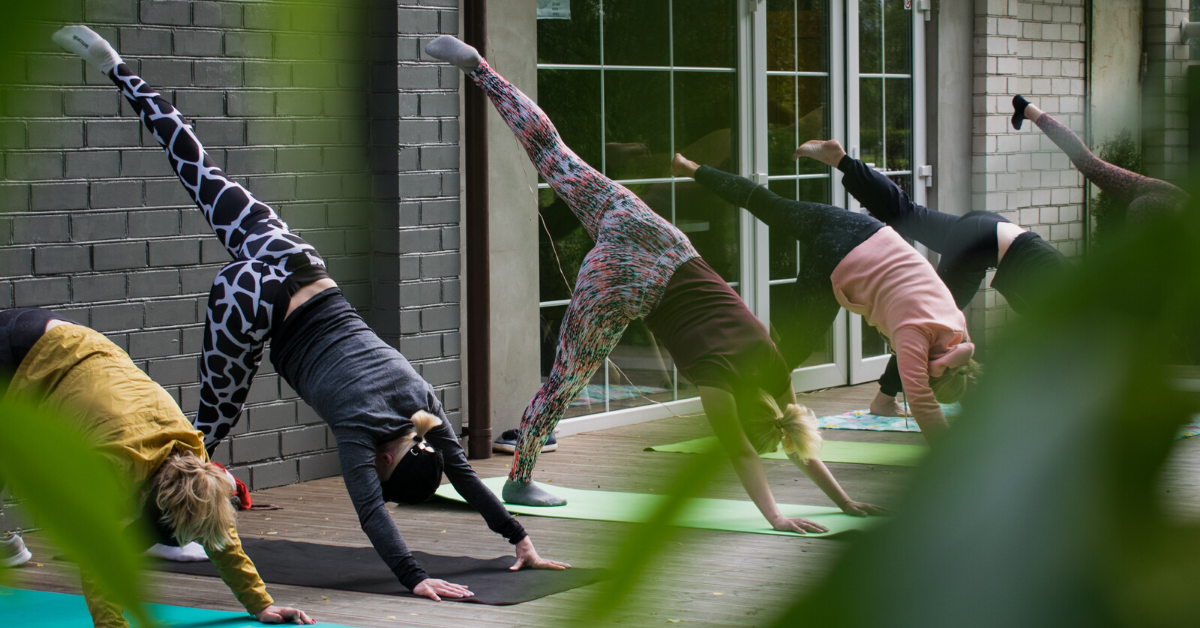
During lunch and after work, bring in a yoga instructor or offer a meditation class for those who want to get involved. You can also offer this before work starts in the morning to ensure employees start their day feeling relaxed and ready to take on the challenges of the day. 


4. Clear communication and celebration is key

Offer yoga and meditation classes

It’s all fine and well having these various fitness and health opportunities available to employees, but you need to ensure that they know about them too! 

And what’s more, your staff need to know that you care about them. A fitness culture in the workplace will not happen without reinforcement. 

This means you need to create a clear communication plan and timeline that lets employees know exactly what activities will be taking place and when as well as what rewards and incentives are linked to these activities. 

It’s important that you reward and celebrate those who take part in fitness challenges. As mentioned earlier, some rewards include: 

  • Discount gym memberships 
  • Healthy snack baskets 
  • Healthy reward vouchers for shops like Total Sports or Sportsmans Warehouse 
  • Free yoga vouchers 

The list goes on. 

Open up an honest conversation around fitness in your business. Talk about topics like work and personal life balance and nutrition. Create an environment where employees are encouraged to talk openly about their health and mental wellbeing and have the right tools to improve their health. 

It starts at the top

Don’t forget that effective fitness in the workplace starts with the boss. As a leader, your staff will follow you so ensure you set a good example and take part in the various fitness activities in the office.