New Year’s Resolutions

6 STEPS TO MAKING HEALTHY NEW YEAR’S RESOLUTIONS (ONES YOU’LL ACTUALLY STICK TO)

A new year is always the promise of a fresh start. We go into every new year with the mindset that things will be different and we need to reset and make this year better than the last. Although we have all of these great intentions, we often create unrealistic and unhealthy resolutions that we’re bound to give up on. 

This doesn’t put you in the right mindset to start the year on a positive note and prevents you from achieving the goals you’ve set out to. 

It’s time to change the narrative of new year’s resolutions and create healthy resolutions that you can stick to! 

What are New Year’s Resolutions? 

A new year’s resolution is a promise to yourself and only yourself. It is something you want to change in the new year, something that will get you closer to achieving more or bigger goals and a way of bettering yourself as each year goes by.

At the end of the year, we usually sit down and compile a list of resolutions we hope to stick to in the new year that will make us feel better or help us achieve more. 

More often than not, we create resolutions that end up making us feel worse about ourselves and in the back of our minds, we know we won’t stick to any of them.

Changing the resolutions narrative

It’s time to stop thinking about resolutions as something you hope to stick to but will probably get over by the time March rolls around but see them as small changes you can make to live a happier, healthier lifestyle.  

How to make healthy resolutions you can stick to

1. Concentrate on quality rather than quantity 

Rather focus on a few realistic resolutions that you are more likely to accomplish. It is better to focus on things you know you can change rather than trying to change every single thing you aren’t happy with. Small slow steps will create progressive changes in other aspects of your life. 

2. Clearly define your goals

Have a direct indication of what you want to achieve and exactly how you want to do it. Step away from resolutions like “go to the gym more this year” and focus more on a resolution like “being physically active at least 2-3 times a week”. This resolution gives you a clearer outline of what you need to do in order to succeed and it gives you more options to be active instead of only focusing on going to the gym. 

3. Write them down

Studies show that we are more likely to follow or achieve goals when they are written down. You need to have them clearly written down and in a place that you will look at and revisit often.  

Hint: stick them on your fridge! 

4. Plan on how you’ll overcome setbacks 

Perfection doesn’t exist. As much as you try to do everything the way you want to and as much as you strive for perfection, life happens. There are setbacks that come in a variety of forms but that doesn’t mean you aren’t doing the best that you can. It merely means that you have had one set back, not that you have failed. 

Identify possible setbacks that may come your way and have a plan B on how you are going to navigate your way around them so that it doesn’t impact your resolution. 

5. Track your progress

Track how far you’ve come and where you’re going. This will be a motivating factor for you to keep going, constantly reminding yourself that you’ve got this and you’re doing so well. 

In the same breath, you need to keep revisiting your resolutions. We tend to write them down and that’s it, as the year goes by we forget about them. Make sure that you look back at your resolutions and keep them in mind as you track your progress. 

New Year’s Resolutions

6. Consider a wellness coach

Most resolutions centre around health and fitness and while it’s easy to write that down as a resolution, achieving it is a different story. 

A wellness coach may sound like an over the top thing to consider but their goal is to help you change your lifestyle and will make sure you achieve your goals.  

Some healthy resolutions to consider

We have a few resolutions we consider to be healthy and will help you move forward in a positive direction as we enter the new decade.

  1. Focus on yourself, remind yourself to love you first. There are many ways to do this, find out more here.
  2. Be more active but more than just hitting the gym. There are many ways to get a workout in and increase your activity levels rather than torturing yourself doing something you detest.   
  3. Changing your diet. Now we don’t mean finding a new, trending diet where you can have a grape for breakfast and smell an apple for dinner. We mean finding a way to change your lifestyle that suits you, your goals and won’t damage your mental health. Consider this article for more intel into how to do this.  

Resolutions shouldn’t be these annoying little things that you’ll never achieve or you’ll just forget about. They should be goals that will enable you to better yourself and your lifestyle as each year passes by. 

WHAT IS INTERMITTENT FASTING

6 WAYS TO MAKE INTERMITTENT FASTING WORK FOR YOU

Intermittent fasting is not about starving yourself or eating as little as possible, there is far more to it than that. This new lifestyle has quickly become increasingly popular as celebs, competitors and ordinary people embark on this new way of eating. The only struggle is perfecting this way of eating to ensure you feel your best while reaping all of the benefits. 

A little bit about intermittent fasting…

Our article on intermittent fasting has the whole story on exactly how it all works but in short, intermittent fasting is famous for promoting good health and weight loss. It involves timing your meals and eating at certain times of the day. Just like the name suggests, you’ll fast for some part of the day and eat at a specific time. It is one of the few diet (for lack of a better word) plans that actually allows you to eat what you like (well, to a certain extent). 

By lowering appetite and aiding burning of more calories, intermittent fasting can actually help you with weight loss, some research has found. A number of people have also reported having more energy. 

The timing of meals can affect your 24-hour energy metabolism. Coordinating your meals with circadian rhythms can work as a powerful strategy for reducing appetite and improving metabolic health. 

Now you know what it is, how do you make it work?

Tips to make intermittent fasting work for you

1. Plan plan plan

As the saying goes, “failing to plan is planning to fail”. Ideas come and go but until we plan exactly how we’re going to implement these ideas into action, it’s not going to happen.

Take a look at the various types of intermittent fasting and choose a time period that suits you best. From there you should plan when you’re going to eat and exactly what you’ll be eating too. By having a detailed plan and by meal prepping some meals, you will be more inclined to follow the plan and remain consistent.  

2. Stay hydrated 

Drink lots of water and calorie-free drinks, such as herbal teas, throughout the day. This will curb any feelings of hunger and will keep you from snacking or breaking your fast. 

3. Don’t obsess about your food

Plan plenty of distractions on fasting days to avoid thinking about food, such as catching up on some work, working out or going to see a movie. This will ensure you don’t sit around thinking about food and how you ‘can’t’ have it. This is something that requires some getting used to because we are programmed to want to eat any time we experience a bit of hunger. 

You need to be able to fight past the feelings of hunger!

4. Try not to overindulge – strive to eat clean

‘Strive to eat clean’ – we don’t mean that your first meal should be a salad and a glass of water (then what’s the point in fasting?). What we mean is you should try to make every calorie count by selecting nutrient-dense foods that are rich in protein, fibre, and healthy fats. Examples include beans, lentils, eggs, fish, nuts, and avocado. By doing this, you will feel full and satisfied for longer. You can see some examples of these meals here

INTERMITTENT FASTING

5. Be consistent

It takes a while to establish a new routine and get used to doing something different. Every new diet or lifestyle will take time to reflect changes on your body. You have to follow it religiously and consistently for at least a few weeks for it to work and for you to become accustomed to eating that way.  

6. Exercise regularly

Exercise is a great way to increase endorphins and make you feel great. Now we don’t mean spending countless hours at the gym torturing yourself on the treadmill. 

Intermittent fasting comes with the added benefit of making you feel healthier (as it involves syncing your mealtimes with your body’s circadian rhythm). Combining it with exercising is going to be all the more beneficial in terms of making you feel healthy and burning calories. Regular exercise can include going for walks, hiking, working out with a friend (etc), you can make it something you’re excited about rather than something you hate. 

Intermittent fasting is just like any other new thing you try, you need to remain consistent with it and fight through some of the uncomfortable feelings you may experience. When your body is used to a certain lifestyle, it takes a while for it to adjust and feel good again. But remember, every diet is different and the outcome is unique to each individual so be sure to do what’s best for you!

Avoid stress this festive season

HOLIDAY SEASON SURVIVAL GUIDE: 5 WAYS COMBAT STRESS THIS FESTIVE SEASON

The holiday blues 

The holiday season is often a time when we invite unwanted guests, anxiety, stress and even a little depression into our homes and our lives. There’s a sort of expectation that we should feel happy and positive during this time of the year, but this is often not the case. And the thing is, when we feel down, agitated, somewhat depressed and stressed during this time of year, we tend to put additional stress onto our emotional wellbeing and beat ourselves up for being down in the dumps. 

Times have changed

Since when did the holiday period shift from us running around like kids with our cousins we only saw once a year to us suddenly trying to ‘adult’, buy gifts, make food (who even knows how to make a moist turkey in any case?) and endless socialising. 

It’s not fair, is it? Why does the festive period bring with it the stress of entertaining friends and family, trying to find the perfect gifts, cook delicious food your grandmother is proud of and trying to get enough sleep? 

We go from working hard throughout the year to try and make ends meet, to running around like headless turkeys trying to make everyone happy during the holidays. 

Well, this year we say “no more!”

Here is our ultimate guide to surviving the holidays

1. Breathe in deep

Now, this pointer might seem a little obvious but hear us out. 

Did you know that when you stress, you have a tendency to hold your breath? This means that less oxygen is getting to your brain. As a result of this, your body’s fight-or-flight response kicks in which releases hormones to help you combat a stressful situation. And cooking the turkey is not exactly a fight-or-flight situation, but our brains might perceive it to be one based on the anxiety and stress we are experiencing as a result of our current situation. 

Some therapists recommend wearing an elastic band around your wrist. When things start to feel a little overwhelming, gently pull back on this elastic and let it snap back on your wrist. This little snap will bring you back into the present moment and will serve as a reminder to breathe deeply. Just 4 deep breaths are enough to change your entire mindset. 

Have a look at some deep breathing techniques here

2. Don’t force yourself to be happy

There’s an expectation around this time of year for it to truly be ‘the most wonderful time of the year.’ But this doesn’t mean every single day has to be filled with magic. It’s normal to feel sadness, grief or stress during this time of the year. Embrace and express your emotions in order to properly deal with them. 

3. Stop negative thoughts in their place

When you catch yourself caught in a whirlwind of negative emotions, try to bring your awareness to the room and the space around you. This is known as grounding yourself. It can be as simple as placing your feet on the floor and feeling the weight of your body pressing on your feet and the floor supporting your weight. 


Avoid stress this festive season

4. Learn to say no

Remember that you have worked all year and deserve a little time off. This means that it’s okay to say no to some social obligations. Set some time aside to do something special for yourself. It can be taking a drive out to somewhere beautiful, going for a long beach walk when your family wanted you to stay for lunch or just lying in a bath and listening to some good music. You do you. And don’t forget to always be kind to yourself. 

Keep in mind that there is a limit to how much you can accomplish during the holidays. You can’t please everyone, but you can please yourself. 

5. Take some time out to exercise

You know what they say “you are only one workout away from a better mood.” Take some time out to go for a run, attend a yoga class or dance class. No matter what kind of exercise you like to get involved in now is the time to do it. 

Plus, we have put together a guide on how to stay healthy and fit during the holiday season. 

Bonus tip: turn off your social media!

Talk about a detox diet that really works – disconnect from social media for a few days during the holidays. Trust us on this one, it really works. 

At home exercises

7 SIMPLE HOLIDAY EXERCISES: NO EQUIPMENT. 1 EPIC WORKOUT.

The holidays are a time for spending time with loved ones and friends, eating some delicious food and more importantly, relaxing. 

When it comes to the holiday period, we seem to spend a lot more time with our feet up than we do hitting the gym or working out. And who can blame us? We’ve worked incredibly hard throughout the year and we deserve a break. 

But getting in a workout doesn’t have to require the gym, equipment or even a lot of effort. In fact, all it takes is a little dedication and just 30 minutes of your time. That’s it. And afterwards, you will be left feeling a little less guilty about eating three helpings of pudding last night and a little more energised and happy! 

How this guide works

All of these exercises can be done in the comfort of your own home. We’ll take you through the various exercises and how they are done, then we will apply them to a sweat-creating, muscle-making, heavy-breathing kind of workout (seriously, it’s a great one!). 

Oh, and while you’re here, have a look at this blog on healthy hacks for the holiday season plus 3 healthy recipes for classic holiday meals. 

1. Chair pose 

Target muscles: Hamstrings, glutes and core 

Start in a standing position, feet shoulder-width apart. Then, extending your arms in front of you, lower your body into a seated position. You can do this against a wall with your back straight up against the wall. Basically, you get into a seated position, but without the chair. 

Hold this for one minute. 

2. Standing side-leg raises 

Target muscles: Core and hips

Start in a standing position with your feet shoulder-width apart. Start by lifting your right leg out toward the side, keep your core tight as you slowly lift your leg. Then return it back to the starting position. Make sure this is a slow and controlled movement, extending your leg to just over 45 degrees (if you can). 

Repeat with each side for 10 to 15 reps per side. 

3. Oblique side bends

Target muscles: Obliques 

Starting in the standing position with your feet shoulder-width apart. Place your hands behind your head (clasping the back of your head with your fingers intertwined). Engage your core and bend at your waist to the right toward the floor – in a slow and controlled motion.  Then repeat on the other side. 

Do this for 15 to 20 reps per side. 

4. Sumo squat

Target muscles: Inner thighs

Start by standing with your feet wider than shoulder-width apart and your toes pointing slightly outwards. With your hands clasped together at your chest (this will help with balance), push your hips back and then squat down – make sure you keep your back straight and your upper body lifted.

Repeat this 10 to 15 times. 

5. Push-ups

Target muscles: Triceps, chest, core and shoulders 

This is a great upper body exercise!

Start with your stomach and chest on the floor. Your legs should be straight out behind you and your palms should be in line with your chest. Push from your heels and hands as you bring your chest, torso and thighs off the floor. Then slowly lower yourself back down and repeat. 

An easier pushup version: It makes it a little easier if, instead of your feet being on the mat, you bring your heels towards your butt and then, press slowly through your hands to fully extend the elbows. Then slowly return to the starting position (flat on the floor). 

Repeat 5 to 10 times. 

6. Glute raises

Target muscles: Glutes

Start by lying flat on your back with your knees bent and your feet flat on the floor. Keep your arms down at your side with palms facing down. 

Slowly lift your hips off the ground until they form a straight line with your knees and shoulders. Hold this for a few seconds before easing back down. 

Repeat 10 to 20 times. 

7. Side plank

Target muscles: Obliques

Start by lying on your side with your feet together and stacked on top of one another. Then raise yourself onto your elbow and lift your hips off the mat – raise your hips until your body is in a straight line from head to fee. Keep your core tight. 

Hold this position for 30 seconds. Repeat on the other side. 

At home exercises

Full body workout example

Now that you know how to do these simple at-home exercises, let’s discuss how you can apply these to a workout…

3 – 4 rounds. Full body. Prepare to sweat. 

  1. Chair pose – hold for 60 seconds 
  2. Standing side leg raises – 10 reps per side 
  3. Oblique side bends – 15 reps per side 
  4. Sumo squat – 10 reps 
  5. Pushups – 10 reps 
  6. Glute raises – 20 reps 
  7. Side plank – hold for 30 seconds each side 

So, get to sweating! 

Happy holidays from all of us at WellBe! 

Healthy Food

8 HEALTH HACKS TO STAY HEALTHY & FIT DURING THE FESTIVE SEASON

Don’t let mince pies, mashed potatoes and stuffing be the death of a year of working hard in the gym and eating healthy foods. 

With decadent meals, braais, parties and other food-filled affairs coming up in December, it can be pretty tough to maintain a healthy eating plan and fitness routine.  And we get it. Not everyone can turn down the Christmas pudding or that second cocktail at the pool on a sunny day. And why should you? You deserve it, right? 

We aren’t here to tell you to say no to every delicious temptation you are faced with these holidays, because in our honest opinion, a holiday of dieting doesn’t sound like any fun at all. And yeah, you do deserve the dessert! 

The trick is to learn how to indulge the right way, and more importantly when to say no. It’s planning your days a little better so that you don’t feel like you want to eat half the turkey come dinner time. When it comes to exercising, there are expert hacks you can learn that will help you fit in some quick workouts. 

So, fret not our fine fitness and health-living friends, we are here to help you (and your body) survive the festive season and avoid having to set unrealistic New Year’s resolutions centred around weight loss and hours on the treadmill. 

1. Plan your days

Meal plans and exercise routines tend to fall away in the holidays and are taken over by unplanned and over catered dinners and lazy afternoons. 

But there is a way you can stop yourself from falling victim to the endless late-night dinners and lack of exercise. And how you do this is by planning ahead. 

For example, if you know you have a big family dinner coming up tomorrow night. Make sure you stick to wholesome and healthy meals for breakfast and lunch so that you don’t overindulge yourself at dinner. Don’t skip lunch because you know dinner will be a big meal, this is a recipe for an overeating disaster. 

Our exercising hack is to wake up early while everyone is still sleeping to get in a quick morning jog, yoga session or workout. This will free up your day for any unexpected plans and leave you feeling energised and stress-free for the rest of the day!

Exercising during the holidays is a productive way to stay healthy and burn off those extra calories from the Christmas pudding. Plus, you start the new year on a healthy and fit note! 

2. Don’t forget to drink water

This might seem like an obvious one, but it is something many of us forget to do.

Drinking water is important for a number of reasons. For one, our brains tend to confuse thirst with hunger. So, before you dish up seconds, try drinking a big glass of water. 

In fact, you should aim to drink at least 2 glasses of water before each meal. This will leave you feeling fuller. 

With sugary drinks and cocktails flowing (here’s a great read on cocktail choices for your health), it’s also particularly important that you drink loads of water to compensate for the alcohol intake and to try and incorporate fibre rich snacks such as nuts and avos to also keep you fuller for longer. 

While you’re here, have a look at this blog on how to boost your metabolism

3. Know when to say no

We get that your aunt or grandma might be incredibly pushy when it comes to everyone having a second slice of her homemade apple pie. But you need to learn to say no. 

Now, we aren’t saying you should restrict yourself or feel guilty over eating some dessert. Not at all. Have that slice of pie, eat it and enjoy every bite of it! But you don’t need that second slice. 

4. Try to fit in quick exercises

If you can’t make it to your gym, then you can try to incorporate HIIT (high-intensity interval training) or bodyweight exercises at home. There is a wide range of workout videos on YouTube that will help you get in a quick workout of 10 to 30 minutes. Remember, every little bit counts. 

5. Keep burning calories as much as you can

One of the simplest holiday health hacks is to keep moving. Go for a walk with your family on the beach, play fetch with your dog, go for a hike, take the stairs at the shopping mall or pop 10 squats the next time you are in the bathroom. 

6. Research some healthier recipes for holiday classics

If you have to bring a meal for the festive feast, why not make it a healthy one? There are a ton of healthy takes on classic holiday meals that are just as delicious and much better for your health. 

We have put together 3 healthy holiday meals right here for you to take a look at. 

Healthy Food

7. Relax

With all the shopping, socialising and parties, it can be hard to find some time to kick back and relax. You need to do your best to limit your stress. You can do this by saying ‘no’ to a few parties or just taking some time out for yourself. You deserve it. 

8. Be kind to yourself

It’s been a long year and you have worked really hard to get where you are now. Take a step back and spend some time writing down everything you accomplished this year. It can be as simple as running a 5km or as big as a promotion. Reward yourself for a job well done. 

This is also a great time to set your goals for the new year. 

From all of us at WellBe, happy holidays! 

3 HEALTHY MEALS FOR THE HOLIDAYS

3 HEALTHY MEALS FOR THE HOLIDAYS

Christmas magic is silent. You don’t hear it — you feel it. You know it. You believe it.

The holidays are a time for relaxing, spending time with loved ones, sleeping in and eating some mouth-watering meals. We encourage you to treat yourself these holidays and stay healthy doing it!

Don’t let the Christmas pudding get the better of your this year with these healthy and delicious meals that are bound to bring some festive joy to any family table!

Download your copy of 3 December Healthy Holiday Meals


3 HEALTHY MEALS FOR THE HOLIDAYS

INTERMITTENT FASTING: WHAT TO KNOW BEFORE YOU FAST

INTERMITTENT FASTING: WHAT TO KNOW BEFORE YOU FAST

Intermittent fasting is quickly gaining popularity as celebs and ordinary folk alike are jumping on the bandwagon of this method of dieting. Whilst the word ‘diet’ is not in our vocabulary at WellBe, it can be said that this form of restrictive eating does seem to have some benefits, as well as some adverse effects, which is why we decided to dive into the topic. 

Truth be told, anything that doesn’t involve spending excessive amounts of time on the stair master or hundreds of rands on paleo and banting bars and trail mixes is worthy of our attention. 

So, what is intermittent fasting all about? Let’s find out. 

An expert explanation of intermittent fasting

According to an educational article published in Hackensack Merdian Health, “Intermittent fasting is a pattern of eating where you withhold food for a certain amount of time and allow your body to use energy more efficiently.” Basically, instead of your body using energy from food such as carbs, it will break down fats instead. 

Sounds too good to be true, right? We thought so too. So we did a little digging…

The different methods of fasting

The 5:2 method

This is where you consume your normal caloric intake for 5 days a week and then on two non-consecutive days, you limit your consumption to less than 500 to 600 calories a day. 

The 16:8 method

This is one of the easiest ones to follow, basically, this involves skipping breakfast. You don’t eat for 16 hours of the day and then eat during the other 8 hours. You can choose which hours you would want to spend eating and which ones you will fast for depending on your lifestyle. For example, you can choose to fast between 10 am to 6 pm or 11 am to 7 pm. Whatever suits you! 

The 24 hour fast

Also known as the eat-stop-method, this is pretty much as straight forward as the name suggests. A 24 hour fast is when you do not eat for one full day, either once or twice a week. You then stick to your usual caloric intake for the other days of the week.

The warrior diet

This one seems a little extreme to us. How it works is that you divide your days in 20 hours of fasting and then 4 hours of eating as much as you like. During the fasting period, you are allowed to have small amounts of eggs and nuts to prevent low sugar levels causing you to pass out.

Is there any science behind fasting and weight loss? 

In order to lose weight, our bodies will need to increase the amount of time spent burning calories from the food we eat. When you do not eat (fasting), then this allows your body to burn stored energy. When your body digests and absorbs food it is in what is known as a ‘fed state’, this starts the moment you start eating and lasts roughly 3 to 5 hours after. 

During this ‘fed state’, it is difficult for your body to burn any fat as your insulin levels are high.

On the other hand, your body’s post-absorptive state will last between 8 and 12 hours after the last meal you ate. This is when your body has entered a fasted state, during this time your body will burn fat as insulin levels are low. 

FYI: Insulin works to decrease your blood sugar levels by moving glucose out of your blood and into surrounding cells. When we have higher levels of insulin, this prevents fat from being broken down for energy.

Essentially what fasting does is put your body in a fat-burning state that it rarely reaches during your normal schedule of eating. 

Can I drink during periods of fasting?

As long as you’re only drinking zero-calorie beverages such as water, coffee, and tea, then you’re in the clear. Drinking water whilst fasting is encouraged. 

I thought breakfast was the most important meal of the day?

Experts suggest that it’s better to eat more earlier in the day to avoid overeating at night. If you want to start fasting, it’s advised that you start eating at a time that gives you a 5 to 6-hour time gap before you sleep. For example, if you typically go to sleep at 10 pm, then your last meal should be at 5 pm. 


INTERMITTENT FASTING: WHAT TO KNOW BEFORE YOU FAST

Apart from weight loss, are there any other health benefits to fasting?

Studies suggest that those who have followed a diet of fasting compared to a calorie-restrictive eating plan have experienced more health benefits and sustainable weight loss. Some of which include decreased inflammation, increased energy and even an increased immune response (perhaps this is because our bodies are not working overtime to digest food all the time and can focus on immunity efforts). 

However, you need to keep in mind intermittent fasting is a relatively new trend, meaning that current studies lack in control group numbers and findings are somewhat limited. 

Are there any foods I should avoid when I’m not fasting?

There is no rule about what you can and can’t eat when following an intermittent fasting plan. However, it is encouraged that you eat unprocessed wholefoods and be mindful of what you put in your body. Experts suggest sticking to a healthy diet and foods that are high in fibre will boost effects felt from fasting. 

While you’re here, have a look at these foods to help improve gut health

What are the side effects of fasting?

After a few weeks of intermittent fasting, your body will start to adapt and adjust to your new eating cycle. But we must warn you the first few days and weeks can be incredibly challenging. You might experience bouts of lightheadedness, headaches, low energy, constipation, and irritability. 

You need to ensure you are drinking enough water (6 to 8 glasses a day) and avoid any strenuous exercise when fasting. 

Who should not fast? 

If you are someone who suffers from an eating disorder, or you are pregnant, have diabetes, are underweight, trying to conceive or have issues with your blood sugar regulation, then fasting is not for you.

The final word

Before starting any new eating plan, it’s always advised that you chat with a professional such as your doctor or wellness coach. They will be able to assist you and give you sound advice on what kind of healthy lifestyle choices you need to make. 

Remember, different diet and lifestyle choices work for different people. We always suggest that you make conscious and mindful decisions to lead a healthy and happy life, and your diet and exercise plan are two very big determining factors in your physical and mental wellbeing. 

Following a nutritious diet

BOUNCING BACK AFTER A BABY: GET BACK YOUR CONFIDENCE & A HEALTHY BODY

A number of new moms will start to wonder just how long it takes to lose their baby weight and bounce back to their pre-baby body. While many might wish you could magically lose the love handles and hips the moment your baby is born, the fact remains that no one, not even celebrities, can snap right back to their body before their baby so quickly. 

And give yourself some credit, you just carried a baby inside your womb for 9 months. Your body was bound to change as your baby developed and your hormones conjured up what seemed to be a hungry, tired and sore body (unless you’re one of those pregnancy unicorns who glows and walks around on clouds, then kudos to you). 

So, just how much weight do you lose the moment you give birth? 

This will depend on the size of your newborn, he or she should weigh between 3 to 5 kgs, then there is the weight of your placenta and amniotic fluids, which you deliver at birth. All in all, you can expect to instantly shed 5 to 6 kgs during delivery. Hooray! 

So, where is the rest of the weight sitting? In your blood supply, breast tissue, enlarged uterus and fat stores. In fact, when you give birth you should not expect the instant weight loss to automatically shrink your belly, this might take about 6 weeks until your uterus shrinks back to its original size. 

Losing the baby weight

There are a number of ways you can go about trying to lose your baby weight but remember to give yourself a break. You literally just birthed another human being. Things have moved around, grown and stretched out a bit. This means that the trick is not to focus on getting your pre-baby body back, but rather to create a happy, healthy and slightly-differently-shaped you! 

1. Setting reasonable weight loss goals

A good place to start is to chat with your doctor or a qualified dietician for them to help you set a reasonable and safe goal. Remember that everyone sheds weight at their own pace. There are also a number of factors that come into play when it comes to weight loss. One of these is your age. Your metabolism slows down as you get older – have a look at this blog on how to naturally boost your metabolism.

Another factor is your diet. If you adopt healthy eating habits (which will not only benefit you but your baby too if you are breastfeeding), then this will help immensely in your weight loss journey. While you’re here, have a look at these healthy and happy meals

And lastly, your activity levels and exercise routine also plays a role. 

2. Breastfeeding

Breastfeeding is a great way to burn calories while sitting down. In fact, some experts suggest that breastfeeding can burn up to 500 calories a day! It also stimulates the release of hormones that will aid in shrinking your uterus back to its pre-baby size. So, if you can, breastfeed your newborn. Some moms suggest breastfeeding for the first two years of your little one’s life. 

3. Following a nutritious diet

The first thing I need to warn you about is to never jump into a ‘get-thin-fast’ kind of diet. These kinds of ‘crash’ diets might have you shedding a few pounds in just a few weeks through excessive and restrictive dieting, but when you start eating normally again, you will only put the original weight you lost (and some) back on. 

Your body needs proper nutrition to recover from the delivery, fight off infection and aid in feeding your baby. Which is why you should not consider any forms of restrictive diets

You need to ensure you are getting enough calories to breastfeed your little one. There are a number of delicious, healthy and easy to follow diet plans out there, especially for new moms. The WellBe Team is happy to help if you want some expert advice on where to start and what kinds of foods you should be eating as well as what kind of exercises plan to follow. Having a wellness coach is one of the best things you can do for your body and your wellbeing. 

A good place to start is by cutting out on junk food, processed food and fast food and choosing whole grains, fruits, vegetables and lean meats. But if you want a slice of cake, treat yourself. The key is moderation when it comes to implementing a healthy lifestyle. 

4. Following an exercise routine

You might feel exhausted, rundown and sleep-deprived, but keep in mind that exercise, even a brisk walk, will not only do wonders for your physical appearance, but it will also boost your mood and leave you feeling great. So before you head to the couch after putting your little one down for an afternoon nap, why not pop a yoga video on the TV or a quick little workout video to follow? 

It’s a good idea to find activities you actually enjoy doing and ones that don’t take up too much of your time. Being a new mom doesn’t leave you with a lot of free time on your hands, so try to get in exercise anywhere you can. Invest in a pram you can jog with or pop a few squats the next time you ‘pop a squat’ in the bathroom. Trust me, incorporating these little exercises into your day will make the world of difference. 

5. Staying positive

The key to all of this is staying positive and being easy on yourself. Focus on the things you have accomplished and the weight you have already lost and remember than fitness if more about the number on your scale. 

The fact that you’re reading this blog is a step in the right direction, so here’s to you!

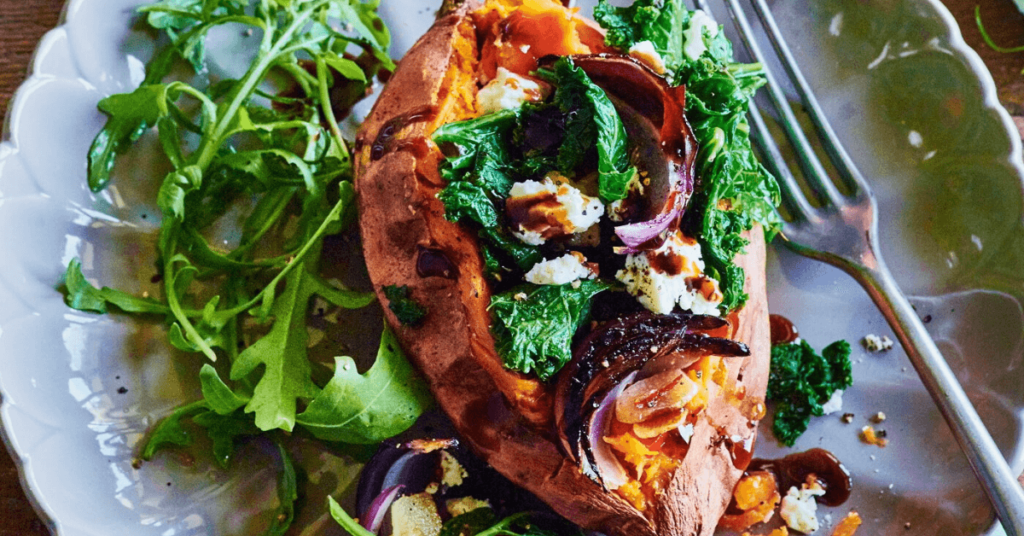
Sweet potato with feta and kale

3 MEALS TO PROMOTE HEALTHY EARS & EYES

It turns out, there are a number of healthy (and delicious) foods that can help promote eye and ear health. We all know just how important our eyes and ears are for helping us function in everyday life. From listening to beautiful music or watching the sunset, there is no denying that we need these senses to live our best lives.

Which is why we have put together 3 healthy and delicious meals to promote good ear and eye health!

Click here to download and view our easy and delicious Eye & Ear Health Recipes here


Sweet potato with feta and kale

Yoga

IMPROVE YOUR GUT HEALTH: 5 WAYS TO BOOST YOUR GUT MICROBIOME

Your gut health is more important than you think! In fact, maintaining a healthy gut is vital for mental and physical health, your immunity and much, much more. 

But just how do you go about improving the healthy bacteria in your gut? Before we get ahead of ourselves, let’s first explain what your gut health refers to. 

What is a healthy gut?

Good question. 

Basically, your gut health refers to the balance of microorganisms living in your digestive tract. Your gut flora or gut microbiome refers to the bacteria and fungi that inhabit your gastrointestinal tract. These microorganisms have a big influence on your metabolism, weight, your body’s ability to defend itself against invading bacteria and viruses, your appetite and your mood. 

It’s crazy to think that the little organisms in our guts play a role in our mood and our weight, but it’s true! When we start to look at it this way, it makes sense as to why it’s important for us to ensure our guts are healthy. 

And here are 5 ways to do so…

1. Eat more fermented foods and take a daily probiotic

An article in Harvard Health examines the benefits of probiotics for our health. Probiotics have a range of benefits and gut health is the biggest of the lot! 

Probiotics are known as good bacteria, they are found in fermented foods such as yoghurt or you can also take them in the form of supplements. 

Probiotic supplements are a great way to ensure you are getting enough healthy bacteria in your diet. A number of people have found probiotics to be beneficial for effect on the gut in alleviating issues such as diarrhoea, IBS, bladder infections and even eczema in kids. 

It’s a good idea to chat with your pharmacist or doctor regarding what probiotic you should take. 

Fermented foods include: 

  • Kefir
  • Kimchi
  • Tempeh
  • Kombucha
  • Sauerkraut
  • Miso

While you’re here, have a look at our article on supplements you need to add to your daily vitamin list (hint – we chat about probiotics here!). 

2. Eat more fibre

You need to include a wide range of fruits, veggies and whole grains in your diet. It turns out, your mom was right when she told you to eat your greens! 

Fruits and vegetables are naturally high in fibre. What’s interesting is that your body cannot digest fibre, but it can be digested by certain bacteria found in your gut and fibre stimulates the growth of these healthy bacteria. 

Some fibre-rich foods include: 

  • Artichokes
  • Lentils 
  • Chickpeas
  • Kidney beans 
  • Whole grains (whole grain oats, pasta and bread)
  • Brocolli
  • Green peas 
  • Raspberries

A great idea is to start your day with a blended shake! 

Put half a cup of dry oats, some frozen raspberries and protein shake powder into the blender with a cup of your milk of choice (yoghurt would also be great for probiotics). Blend and enjoy! 

3. Stay away from artificial sweeteners

Artificial sweeteners have an adverse effect on your gut health and can cause an imbalance of gut microbes. 

A study done on rats found that aspartame (an artificial sweetener found in a number of fizzy drinks) was able to reduce their weight gain but increased their blood sugar levels and impaired their body’s response to insulin. Yikes! So the next time you’re craving a Coke Zero, rather have a glass of water with lemon and mint. 

Or better yet, make your own ice tea! Here are some great recipes to try! 

4. Reduce your stress levels

Yoga


Now, I get that this is always easier said than done, but managing your stress is important for a variety of vital aspects of your health, one of these is your gut health. 

Managing your stress can be done through a number of ways. Here are some easy ones to implement in your daily life: 

  • Get more sleep – You need to get 6 to 8 hours of uninterrupted sleep a night. 
  • Workout – Regular exercise will not only boost your mood, confidence and your mental wellbeing, but you will also get better sleep and feel great! We chat about this in the next point. 
  • Meditate – Download Calm or Headspace and prepare to have your entire mindset changed. 
  • Breathing techniques – The next time you feel anxious or stressed, breathe in deep for 4 seconds and out for 4 seconds. Repeat this as many times as you need to. 
  • Eat right – Check out these 3 recipes to boost your mental health

5. Exercise

Regular exercise contributes to weight loss, weight maintenance, good heart health and great gut health. 

Studies have found that regular exercise helps create a wide variety of good bacteria in your gut. Aim for 150 minutes of moderate exercise a week with at least 2 strength training activities on 2 or more days a week. 

Here are some great workouts to get you started! 

Need some expert help? Have a look at why it pays to have a wellness coach in this blog

What it comes down to

Your gut bacteria play an important role in many aspects of your health. The best way to maintain a healthy gut is to eat right, get enough sleep, reduce your stress and take part in regular exercise. 

The trick is to create a healthy lifestyle as opposed to the ‘get-fit-fast’ or ‘lose-weight-now’ approach. And it all starts with a healthy and determined mindset.