QUINOA PORRIDGE

QUINOA PORRIDGE

DIFFICULTY: easy

Time: 7 minutes

Serves: 1

This very berry quinoa porridge is an easy, clean eating breakfast for busy mornings. It’s full of good-for-your-gut nutritious ingredients, leaving you feeling fuller for longer and energised to take on the day!

INGREDIENTS

  • 1 cup cooked quinoa
  • 3/4 cup macadamia milk or any milk of choice
  • 1/2 Tbsp honey
  • 1/2 tsp vanilla essence

TOPPINGS

  • 1/2 cup of berries of choice
  • 1 tsp  sunflower seeds
  • 1 tsp goji berries
  • 1 Tbsp nut butter of choice

METHOD

  • Warm the milk, honey & vanilla in a small sauce pan over the stove.
  • Place the cooked quinoa in a bowl & pour milk over it.
  • Top it with all your delicious toppings.

DOWNLOAD YOUR QUINOA PORRIDGE RECIPE HERE

EATING THE RAINBOW

DIET DIVERSITY: THE IMPORTANCE OF CREATING VARIETY IN YOUR MEALS & EATING THE RAINBOW

Diet diversity means to include a range of different food groups into your diet, and a variety of different colours. 

Did you know that every food group serves a function for our bodies and provides us with different nutrients? 

The colour of foods also influences the kind of nutrients the food offers. Which is why it is important to eat a variety of foods to ensure we are taking in as many vitamins and minerals as possible. 

Check out another blog I wrote: THE ACT OF SAVOURING: HOW TO LIVE A MORE MEANINGFUL LIFE

Eat The Rainbow 

I am sure many of you have heard the phrase, “to eat the rainbow”. This is an old saying that many used to encourage others to eat variety, as it results in increased fibre, vitamin and mineral intake. The colour of fruits and vegetables is created by phytonutrients – natural chemicals that help protect plants from bugs, pesticides and the sun’s harmful rays. Phytonutrients keep the plant healthy and provide us with antioxidant and anti-inflammatory benefits. So, what do the different colours mean? 

Red 

  • red fruits and vegetables such as tomatoes and red pepper have cancer fighting properties and reduce the risk of diabetes and heart disease. 

Orange and Yellow

  • orange and yellow fruits and vegetables such as oranges, carrots and corn improve the immune system as they are rich in Vitamin C. 

Green 

  • green fruits and vegetables help to detoxify the body and can also assist in supporting the immune system. I am sure many of you heard the saying, “eat your greens” when you were younger. Your parents said this because greens are one of the healthiest foods we can eat. Green vegetables like spinach and broccoli are high in folate – an important B-vitamin. 

Purple 

  • purple vegetables such as aubergine and purple cabbage have anti-inflammatory and anti-aging properties.

Blue

  • blue fruits such as blueberries are high in antioxidants and are a great superfood for the body. 


Benefits Of A Diverse Diet

As mentioned, the different food groups each provide our body with unique nutrients and functions. Daily, we consume both macronutrients (carbohydrates, fats, and protein) and micronutrients (vitamins and minerals) which serve a purpose for our body. 

Another great read: THE MIND-GUT CONNECTION – HOW TO UNLOCK YOUR GUT HEALTH POTENTIAL

Macronutrients are nutrients that are needed in our bodies in large quantities and provide our body with energy. 

Micronutrients are non-caloric and provide us with vitamins and minerals to support our gut health and immune system. 

Carbohydrates, protein and fat all provide us with energy. 

Protein is also important for muscle growth and bone health and fat insulates our organs and assists in hormone production. 

As you can see, each food group provides a unique function for our body and aids our body to work in the most efficient way. 


Recipe Ideas 

Cocoa Blended Oats 

Instead of a bowl of plain oats, change it up! Add some peanut butter for healthy fats and protein and top with fresh berries to increase your phytonutrient intake. 

You can download the recipe here


Cocoa Blended Oats

Ingredients

40 g rolled oats 

50 – 100ml nut milk 

250ml water

1 tsp cinnamon 

1 tsp cocoa 

1 tsp honey 

1 tsp natural peanut butter 

5 raspberries 

Handful of granola (Woolworths carb-free preferable) 


Method: 

  1. Cover the oats in water and cook on the stove with cinnamon and cocoa, stirring occasionally. 
  2. Once the oats soak up the water, add the nut milk and more water if necessary and cook for a few more minutes. 
  3. When the oats are cooked, remove from the stove and allow to cool for 5 minutes. 
  4. Then add the oats to a blender, and blend for a few seconds to get a nice, creamy consistency.
  5. Pour the mixture into a bowl, top with honey, peanut butter, berries and granola and enjoy! 
Chocolate Oat Bowl.

CHOCOLATE OAT BOWL

DIFFICULTY: EASY

TIME: 10 MINUTES

SERVES: 1

Is there anything better than a warm and delicious bowl of oats in the morning? Add chocolate to that mix and you have the perfect winter warmer combo!

INGREDIENTS

40 g oats, cooked in water
100 ml of nut milk of choice
1 tsp cinnamon powder
1 tsp cacao powder

Toppings:

Nut butter
Seeds
Fresh fruit
Maple syrup or honey

METHOD

Blend the cooked oats in a blender and top with toppings of choice.

Download Your Chocolate Oat Bowl Here


Pasta alla Relish

PASTA ALLA RELISH

DIFFICULTY: EASY

TIME: 20 – 30 MINUTES

SERVES: 1 – 2

This meal is wholesome & full of plant-based deliciousness, perfect for meat-free Monday. A fun twist on your classic pasta dish and using chickpea pasta is high in protein, great for your gut and for your health!

INGREDIENTS

40 g chickpea pasta e.g. happy earth people
1 large whole fresh tomato
1/2 red bell pepper
1 tsp oregano
1 Tbsp tomato puree
½ – 3/4 cup vegetable stock
Half a medium-sized aubergine
Salt & pepper to taste
Sprinkle of seeds of choice
Chilli flakes, optional

METHOD

Preheat the oven to 200 degrees. Cut the tomato in quarters and place the tomato and red bell pepper in a baking dish with oregano, olive oil, salt and optional chilli flakes. Cook it in the oven for 40 mins. While the tomato and red pepper is in the oven, cut the aubergine into slices and fry the aubergine in olive oil until it starts to caramelise. Remove the tomato and red pepper from the oven and blitz together with tomato puree. Add the sauce to the aubergine and cook with vegetable stock for 10 mins. While the sauce is cooking, heat the pasta as per packet instructions. Place the pasta in the bowl, top with the homemade sauce & sprinkle with seeds, salt, pepper and enjoy.

Download Your Pasta alla Relish Here 

Chickpea Curry

CHICKPEA CURRY

DIFFICULTY: EASY

TIME: 30 MINUTES

SERVES: 4

Chickpeas are a rich source of vitamins, minerals and fiber and a variety of health benefits, such as improving digestion. Being a plant based meal, this curry is great for your gut and sure to warm you up! Chickpeas are high in protein and make an excellent replacement for meat in vegetarian and vegan diets.

INGREDIENTS

1 tin chickpeas, drained
1 yellow onion, diced
1 tin coconut milk
1 tin chopped and peeled tomatoes
1 tbsp each curry powder + turmeric
1 tsp each cumin powder + paprika
1 tbsp each grated ginger + crushed garlic
1 lemon (juice squeezed)
1 tsp honey (optional) (use sugar if vegan)
2 handfuls of spinach
100 g mushrooms, chopped
Salt, pepper and chilli flakes to taste
Serve cooked brown or Basmati rice and
fresh chopped coriander

METHOD

Cook the rice as per packet instructions. Mix all the spices together and fry in a large pot with the onion, garlic and ginger in olive oil for 2 minutes on a medium heated stove top. Add the chopped mushrooms and chickpeas and fry for a further 3 mins. Add the tinned coconut milk, tinned tomatoes and allow to simmer for 10 minutes, stirring occasionally. Add the spinach, lemon juice and honey. Stir all together and allow to simmer for a further 10 minutes. Season to taste. Serve with cooked rice and chopped coriander.


Download Your Chickpea Curry Recipe Here

Your gut nutrition

HOW TO FUEL YOUR BODY TO POWER YOUR MIND & ULTIMATELY UNLOCK YOUR POTENTIAL

By Andrea Bursey

Nutrition & Mental Wellbeing 

If you thought food was just fuel for your body, think again! Your mental wellbeing is directly linked to the foods you consume, and you can improve mental clarity and wellbeing from simply choosing better and more nutritious options. During times like these (Covid-19), where we have limited interaction with friends and loved ones, it is particularly important to prioritize mental health and self-care. 

Read more: COVID-19: 19 WAYS TO PROTECT YOURSELF & STAY HEALTHY AMIDST THE CORONAVIRUS CRISIS

The link between the gut and mental health

Unhealthier options that are high in sugar and fat are often seen as indulgent treats which may result in you feeling happier for a short period of time but leave you sluggish and flat afterwards. The effect of highly processed and sugary foods has also been found to influence your gut microbiome, affecting absorption and digestion which has an impact on various other functions in the body. 

Serotonin is a hormone that regulates sleep, appetite, and mood. About 95% of the serotonin in your body is produced in the gastrointestinal tract (gut). The gut contains millions of nerve cells that help digest and absorb nutrients as well as influence the overall bacteria in your gut. 

Having an overgrowth of “bad” bacteria can limit nutrient absorption and reduce your overall immunity. Boosting certain nutrients like prebiotic fibers and probiotics nourishes the good bacteria to improve your overall gut health. 

Examples of foods that may aid the growth of good bacteria include fermented foods like yogurt, kimchi and kombucha. A highly processed and high sugar diet unfortunately has the opposite effect. 

Check out this blog to explore more on the topic: THE MIND-GUT CONNECTION – HOW TO UNLOCK YOUR GUT HEALTH POTENTIAL

Fueling your best mental performance

Nutrition

Think about your body like a car. Your car functions better when it is fueled with the correct fuel and breaks down when you forget to add fuel or if you use the wrong type. Your body is similar, holistically functioning optimally when you “fuel” it with high quality foods packed with vitamins, minerals, and antioxidants. The human brain is fueled directly by glucose, the by-product of carbohydrates. Foods that provide us with carbohydrates include fruit, milk, sugar, bread, and pasta. 

As we all know, not all carbohydrates are created equally. Diets that are high in sugar upset your body’s regulation of insulin, promoting oxidative stress and inflammation in the body. 

A balanced diet with higher fiber carbs like fruit and wholegrains is great for providing the brain with energy to function throughout the day with less insulin spikes, giving you more mental clarity. The frequency at which you eat may also play a role in your concentration and energy levels. Some people prefer to skip breakfast while others thrive on 6 small meals per day. The key is finding your balance and sticking to a plan that suits your needs and lifestyle. 

Protein plays a role in providing our bodies with amino acids which aids hormone balance as well as mood. Including a variety of high-quality protein sources such as beans, legumes, lean beef, chicken, and fish is a great idea to make sure your productivity is at its peak. A regular intake of healthy fats also comes highly recommended for optional brain function. Include fat sources that are high in omega 3 and 6 to boost brain function and reduce inflammation. 

Check out this blog I wrote on intuitive eating: INTUITIVE EATING – COULD IT BE THE ANTI-DIET PLAN FOR YOU?

Eating a variety of foods from different food groups daily will ensure you have a constant intake of different beneficial vitamins and minerals that play a role in your mental and physical health. Diets that are restrictive and ban certain food groups can result in nutrient deficiencies.  

Shopping right

Next time you’re at the grocery store, take the time to fill up your cart with a variety of foods as well as colourful fruit and veggies and fermented foods. Having nutritious snack options on hand is also a surefire way to make sure you don’t reach for the cookie jar next time you’re feeling peckish. 

The final word

Pay attention to what you put in your body and the way that certain foods make you feel. Remember that everyone is different and finding a way of eating that works for you and helps you function as your highest self is something that will take commitment and time, but at the end of the day, it’s well worth it – your mental wellbeing will thank you for it. 

SUNDRIED TOMATO & COCONUT CHICKEN BAKE

SUNDRIED TOMATO & COCONUT CHICKEN BAKE

DIFFICULTY: EASY

TIME: 1 HOUR
SERVES: 4

Creamy and incredibly tasty, this recipe has the right amount of protein, carbs and healthy fats and is dairy-free! A real comforting meal that is simple yet satisfying.

INGREDIENTS

500 g chicken breasts, sliced into large strips
1 cup coconut flour
½ tsp black pepper
½ tsp salt
1 tbsp. olive oil
1 onion, chopped
1 tsp crushed garlic
1 tsp Italian herbs
1 tsp dried basil
125 g sundried tomatoes, chopped
2 cans coconut milk

METHOD

Preheat the oven to 180 degrees. In a bowl, mix coconut flour with salt and pepper. Dip the chicken breasts into the flour mixture to coat. Heat olive oil in a large pan (preferably one with high sides). Add chicken breasts and brown for about 5 mins on each side. Remove chicken breasts and place into a large casserole dish. In the same pan, add the onion, garlic, and herbs. Sauté until translucent. Add the sundried tomatoes. Add coconut milk and bring to boil. Keep stirring for 15 minutes. Add salt and pepper to taste. Pour the coconut milk mix on top of the chicken breasts in the casserole dish and bake for 45 minutes. Serve with rice or wholewheat pasta of choice.

Download Your Sundried Tomato & Coconut Chicken Bake Recipe Here

SUNDRIED TOMATO & COCONUT CHICKEN BAKE

STICKY ONE PAN CHICKEN BAKE

STICKY ONE PAN CHICKEN BAKE

DIFFICULTY: EASY

TIME: 50 MINUTES
SERVES: 4

A one-pan wonder, this sticky chicken recipe is packed with good-for-you ingredients. This recipe maximises on flavour and doesn’t compromise on health benefits. Feel free to add more
veggies!

INGREDIENTS

1 tbsp sesame oil
2 onions, diced
4-6 chicken breasts or thighs
2 sliced picante or bell peppers
4 tbsp soy sauce
1 cup chicken broth
2 tbsp honey
¼ cup orange juice
3 sprigs rosemary
2 cups of chopped baby marrows

METHOD

Preheat the oven to 180 degrees. Heat olive oil in a pot over medium heat. Sauté onion, picante peppers, and chicken pieces until lightly browned and transfer to a casserole dish. Mix sauce by combining soy sauce, orange juice, honey, salt, pepper, and chicken broth in a bowl. Pour over. Add fresh rosemary, and chopped baby marrows. Toss together and bake for 40 minutes. Serve with brown rice or wholewheat couscous.

Download Your Sticky One Pan Chicken Bake Recipe Here


STICKY ONE PAN CHICKEN BAKE

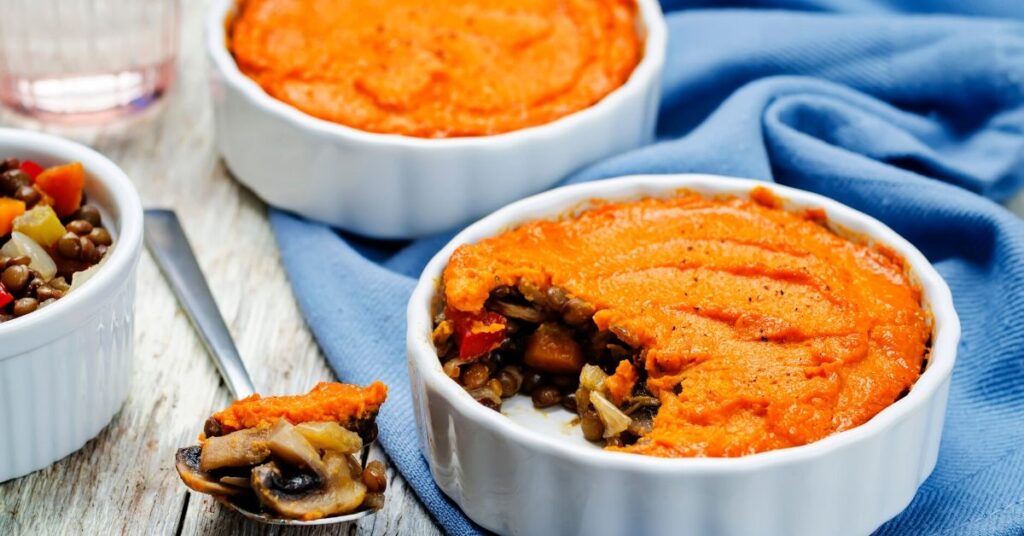
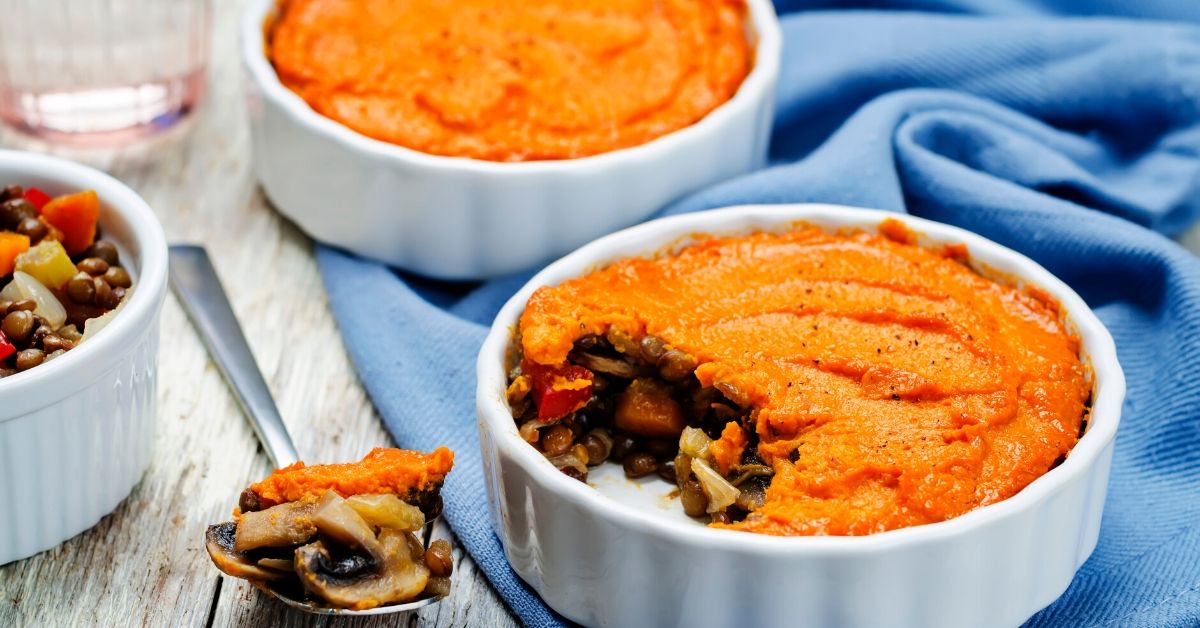
LENTIL SWEET POTATO COTTAGE PIE

LENTIL SWEET POTATO COTTAGE PIE

TIME: 45 MINUTES
SERVES: 4
DIFFICULTY: EASY

A plant-based version of the traditional cottage pie, yet just as comforting and delicious. Perfect to warm you up and a wholesome #meatfree family meal.

INGREDIENTS

2 cans lentils, drained
1/2 punnet mushrooms, rinsed and sliced
2 carrots, grated
1 onion, diced
1 tbsp olive or coconut oil
1 can chopped tomato
2 tbsp tomato puree
½ tsp basil
½ tsp salt
½ tsp pepper
400-500 g sweet potato chunks
½ cup nut or coconut milk of choice
¼ cup grated vegan cheese or nutritional
yeast (optional)
Fresh parsley

METHOD

Preheat the oven to 180 degrees. Boil or steam sweet potatoes until soft and mash with milk. While sweet potatoes are cooking, heat olive oil in a pot over medium heat. Add mushrooms, carrots and onions, season with salt and pepper and saute until lightly golden. Add the lentils and chopped tomato to the same pan and simmer for 5 min. Add tomato puree, basil, salt, and pepper. Stir over medium heat and allow to simmer for a few more minutes. Add lentils to a baking dish and top with mashed sweet potato. Sprinkle with grated vegan cheese or nutritional yeast. Bake for 30-40 min until golden on top. Garnish with fresh parsley.

Download Your Lentil Sweet Potato Cottage Pie Recipe Here


LENTIL SWEET POTATO COTTAGE PIE

Healthy Eating

INTUITIVE EATING – COULD IT BE THE ANTI-DIET PLAN FOR YOU?

By Andrea Bursey 

In this day and age, we are bombarded by so much information about different diet plans and often, unethical ways to drop weight quickly and reach your goals, including miracle weight loss pills, slimming coffees and teas and starvation diets. The amount of pressure is simply overwhelming. If you are feeling swamped by all of the content out there and not sure which way to turn, which diet plan is best for you and how you can reach your goals, the best method for you might be to turn your back on diets completely and consider intuitive eating. In this blog, I explore what intuitive eating means and how you can adapt this way of eating.

What is Intuitive Eating?

Intuitive eating was developed by two dietitians, Evelyn Tribole and Elyse Resch, in 1995 as a non-diet approach to nutrition where you tune into and rely on your body signals for hunger and cravings to build a healthy and sustainable relationship with food. The basis of intuitive eating is that we are all born intuitive eaters, as we grow older, external pressures such as rules and restrictions around food shape us into building opinions around eating which may impact on the types and amount of food we choose to consume. 

Focusing your energy on basing food choice and eating on internal cues like hunger, fullness and satisfaction can really retune your mindset and prevent you from feeling pressure to eat and think a certain way. 

Read more: Thriving In Uncertainty: 8 Everyday Anti-stress Tools To Take The Edge Off


Intuitive Eating

Why might Intuitive Eating be a better plan for me?

If you have tried every diet under the sun, and seen good results, but then as soon as you go back to normal eating you end up straight back where you started, this might be the non-diet diet for you. Restrictive diet plans may result in an all-or-nothing mentality where if you’re sticking to the plan you are on track, but as soon as you reach for a chocolate chip cookie, you may as well just eat the whole box! 

Meal plans or diets that demonize certain foods and food groups have been found to result in bingeing which, in turn, can throw you off completely and put you in a bad space mentally. Intuitive eating relies on your internal hunger and satiety signals and allows you to eat whatever you like, whenever you like, without feeling guilty. The important part of intuitive eating is to understand your internal cues, make peace with food and honour your hunger levels.

Principles of Intuitive Eating:

  1. Reject the diet mentality
  2. Honour your hunger
  3. Make peace with food
  4. Challenge the food police
  5. Respect your fullness 
  6. Discover the satisfaction factor
  7. Respect your body
  8. Incorporate exercise
  9. Honour your health through gentle nutrition

Simply put, intuitive eating is not a free-for-all eating method but rather a guide to understand your body and cues to eating. It is about building a positive, mindful, and healthy relationship with food and your body to reach a place where you are happy and comfortable with food and eating. 

While you’re here and we’re on the topic of food, check out these recipes: 

Nut Butter Banana Smoothie

Lemon Garlic Baked Salmon


Until next time, 

Andy